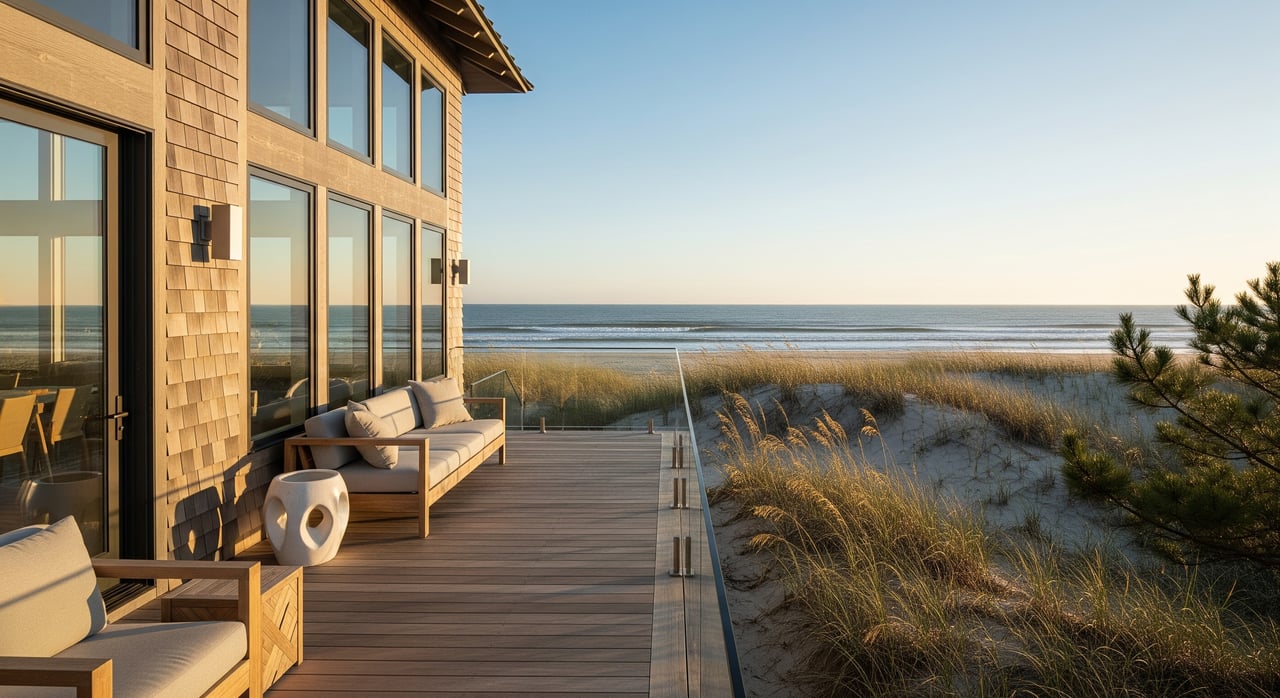
Topsail Island Lifestyle Guide for Surf City Living
December 18, 2025
December 18, 2025
Wondering what daily life really feels like on Topsail Island? If you are eyeing Surf City for a second home or a future move, you want more than pretty beach photos. You need a clear picture of seasons, access, and logistics so you can decide with confidence. This guide breaks down the pace, practicalities, and housing realities in Surf City, with tips to preview neighborhoods the smart way. Let’s dive in.
Surf City is a small, low-rise beach town with a relaxed, outdoorsy rhythm. You will find a mix of year-round residents, remote workers, retirees, and many seasonal visitors. The central area near the pier feels most active, while soundside streets and residential stretches are quieter.
Commercial areas are small and focused. Most days revolve around the beach, fishing, boating, and community events. If you prefer a slower pace with easy access to the sand, the island’s vibe will likely fit you well.
Summer brings the biggest crowds and longest business hours. Restaurants are busier, event calendars fill up, and bridge traffic increases on weekends and holidays. If you plan to host guests or explore rental potential, summer shows you the island at full speed.
Spring and early fall offer warm days, lighter crowds, and more relaxed parking and dining. Most businesses stay open, sometimes with reduced hours. This is a great time to preview neighborhoods without peak-season noise.
Late fall through early spring is much quieter. Several seasonal businesses reduce or pause operations. If you are considering year-round living, winter is the best time to assess noise levels, neighbor activity, and day-to-day services.
Sea turtle nesting typically happens in late spring and summer, and many residents volunteer for monitoring and beach stewardship. Hurricane season runs from June 1 to November 30. Plan for preparedness, insurance reviews, and the possibility of short-term closures or evacuations.
Surf City maintains multiple public beach access points with parking, walkovers, and in some cases restrooms. The pier area serves as a key gathering spot. Beach access proximity and parking availability can vary by neighborhood, so factor this into your search.
Local rules govern pets, alcohol, vehicles on the beach, and dune protection, and they can change by season and by town. If you have a dog or plan to use a golf cart, check the current municipal guidelines before you buy.
On-island options cover daily needs, but you will likely head to the mainland for bigger shopping trips or specialty items. Plan grocery runs around bridge traffic during peak season to save time.
You can access basic clinics or urgent care nearby, while full-service hospitals are on the mainland. As you compare neighborhoods, map drive times during peak and off-peak hours and ask about typical response expectations.
Utilities come from regional providers, and sewer versus septic can vary by address. Internet coverage and speeds also vary by neighborhood. Confirm sewer connection, septic status, and internet providers for each property you consider.
Most residents drive, and on-island trips are short. Bridges can bottleneck during summer weekends and holidays, so plan errands with timing in mind. If you commute to a mainland job, test your route during busy periods.
You will find mostly locally owned seafood spots, casual cafes, and seasonal pop-ups. The scene is friendly and small-business-driven. Expect to travel to the mainland for big-box retail, specialists, and professional services.
Everyday fun centers on the beach, surfing, pier fishing, boating on the sound, kayaking, and paddleboarding. You can also enjoy farmers markets, live music nights, and holiday parades, with more activity in summer than winter.
Civic life is strong among year-round residents. Opportunities include sea turtle nest monitoring, beach cleanups, local boards, service clubs, and faith communities. Volunteering is a quick way to meet neighbors and learn the island’s rhythms.
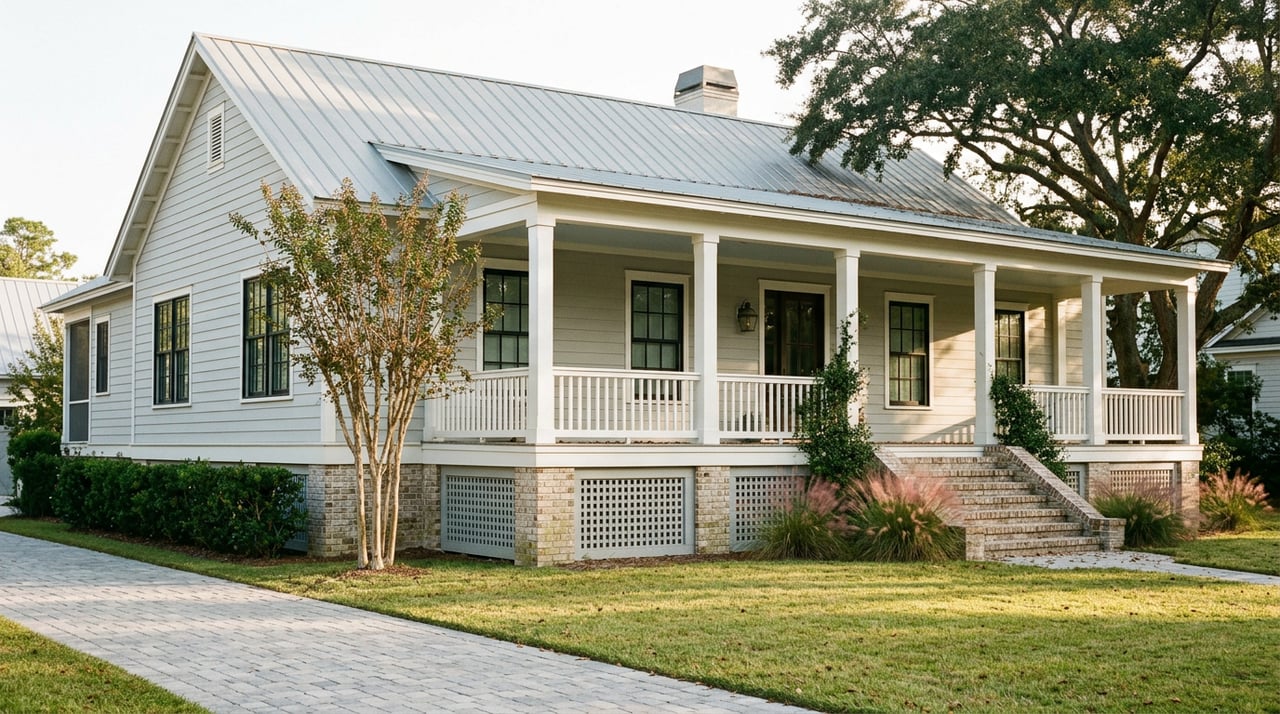
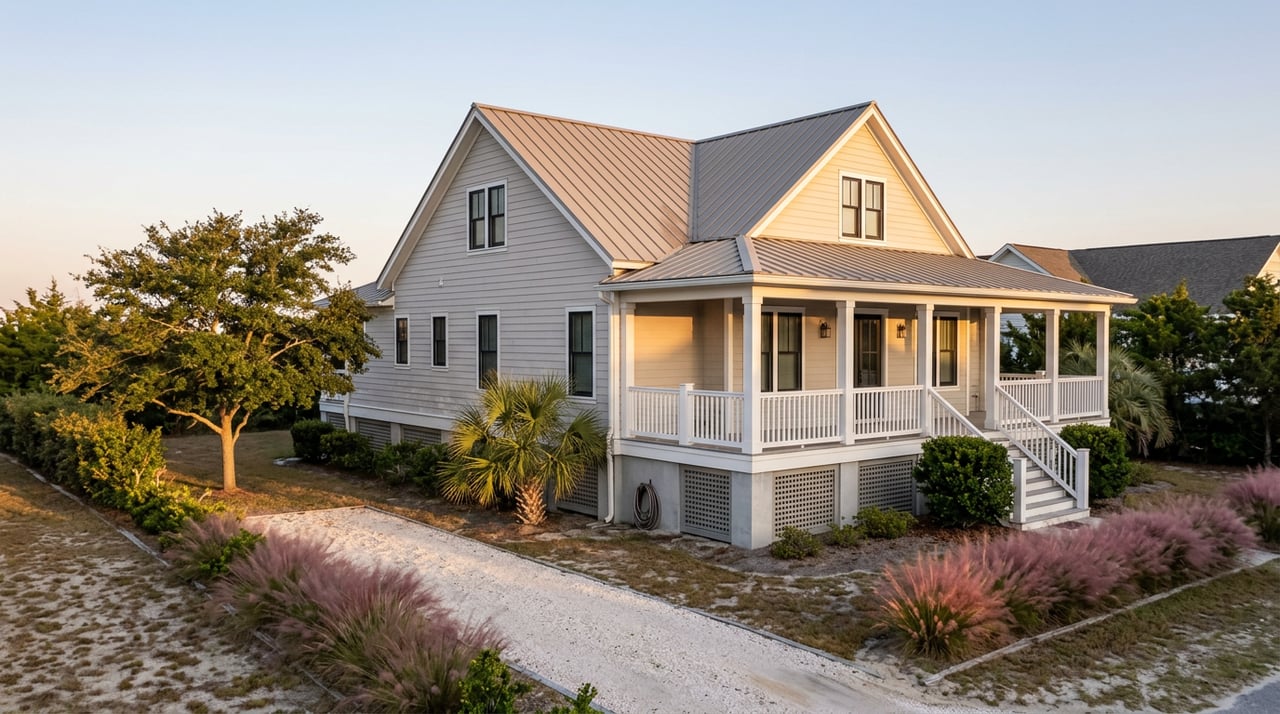
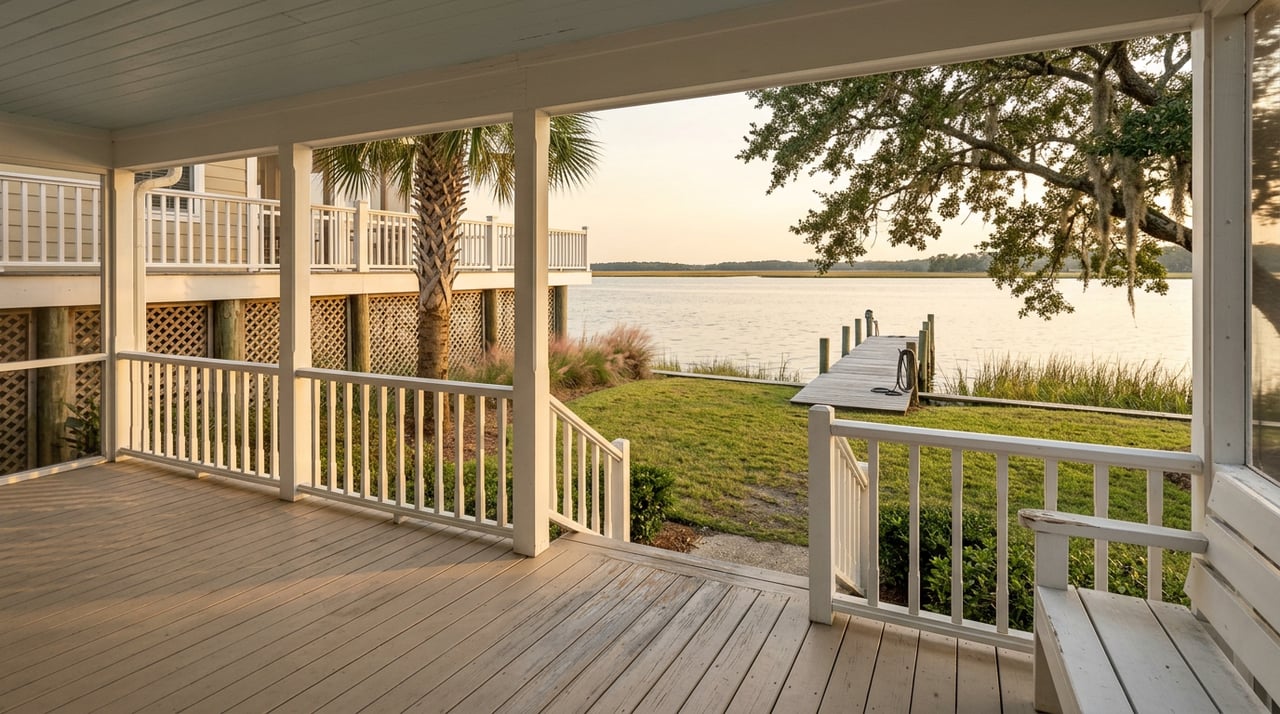
You will see a mix of classic beach cottages, elevated new construction, single-family homes, and rental properties. Many homes sit on pilings to meet coastal code and flood requirements. Oceanfront, soundside, and in-town homes each offer different views, exposure, noise levels, and parking dynamics.
Short-term rental rules vary by town, and permits may be required. HOA or POA covenants can set parking rules, exterior standards, and rental limits. If renting is part of your plan, review municipal ordinances and all governing documents early.
Coastal flood risk and erosion are real considerations. Properties may lie in FEMA flood zones that require flood insurance. Ask for elevation certificates, review historical trends, and talk with your insurer about coverage and costs.
Newer homes are often elevated and designed for wind and flood conditions under state and local coastal standards. If you are comparing older homes with new builds, weigh the comfort, insurance implications, and maintenance needs that come with elevation and materials.
Choose Surf City if you value a slower, small-town beach setting with easy access to the sand and a strong outdoor routine. Expect a lively summer, peaceful winters, and a practical tradeoff of limited on-island services for a more relaxed pace. With the right property, you can align views, access, insurance needs, and rental goals to match your lifestyle.
If you want local guidance on which streets, access points, and construction types fit your plan, connect with a boutique team that lives the coastal market every day. Reach out to logan sullivan to compare neighborhoods, line up a smart preview trip, and move forward with confidence.
Stay up to date on the latest real estate trends.


For the best service and results when it comes to all of your real estate needs, reach out anytime.