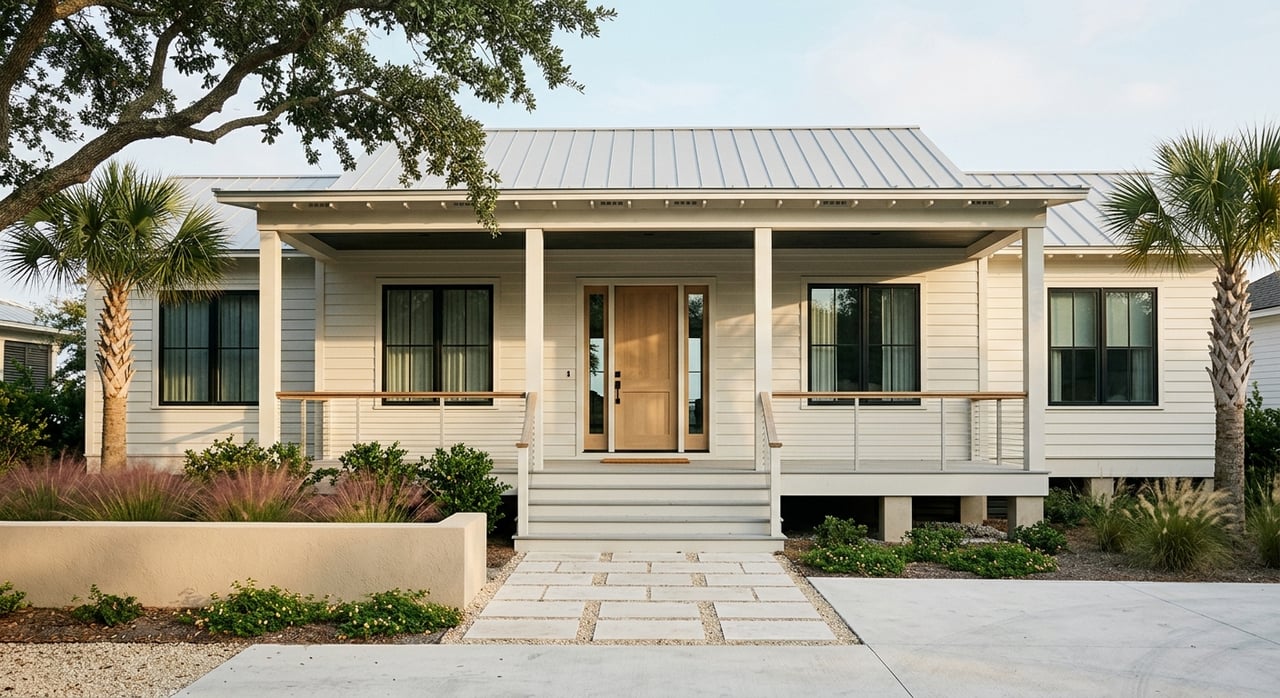
Understanding the Hampstead Home Selling Timeline
June 4, 2026
June 4, 2026
Wondering how long it takes to sell a home in Hampstead? If you are trying to plan a move, line up your next purchase, or simply avoid surprises, timing matters. The short answer is that selling in Hampstead usually takes longer than many sellers expect, and the full process often stretches beyond the day your home goes under contract. This guide will walk you through what the current market suggests, what happens after you accept an offer, and what you can do to keep your sale moving. Let’s dive in.
If you are selling a home in Hampstead, a practical planning range is about 3 to 5 months from first walkthrough to closing. That estimate reflects both the time it may take to attract the right buyer and the steps that happen after you accept an offer.
Current market data supports using a range instead of one fixed number. As of April 2026, Realtor.com shows 40 median days on market in Hampstead, while Redfin reports an average of 93 days on market over the three months ending in April 2026. Since those sources use different methods and timeframes, the safest takeaway is that your timeline can vary meaningfully.
Hampstead is not currently behaving like a low-inventory, lightning-fast market. Realtor.com reports 467 homes for sale, a median listing price of $530,000, a median sold price of $495,000, and a 99% sale-to-list ratio as of April 2026.
What does that mean for you as a seller? Buyers have options, and pricing matters. Homes that line up closely with current demand and enter the market well-prepared may sell closer to the faster end of the range, while homes that miss the mark on price or presentation may sit longer.
Days on market only tell part of the story. They generally measure how long it takes for a home to secure a contract, but they do not include every step that follows before closing day.
That matters in North Carolina because the period after offer acceptance can still take several weeks. So even if your home goes under contract in 40 days, your total selling timeline may still be much longer once due diligence, financing, legal review, and closing coordination are added.
In North Carolina, the sale process is highly contract-driven after an offer is accepted. One of the biggest factors is the negotiated due diligence period, when the buyer works through inspections, financing, and other evaluations.
During due diligence, the buyer can generally terminate the contract for any reason. The due diligence fee is usually delivered to the seller by the contract’s effective date and is generally nonrefundable unless the seller breaches the contract. In real terms, that means your home may be under contract, but the sale is not at the finish line yet.
The length and complexity of the due diligence period can affect how quickly your sale moves toward closing. If repair questions come up, financing takes longer than expected, or the parties need extra time to negotiate, the timeline can stretch.
This is one reason sellers should avoid assuming that an accepted offer means a quick closing is guaranteed. In Hampstead, it is wise to plan for additional weeks after contract, even when the listing phase goes smoothly.
Closing is the final step in the home sale, and it usually happens at the same time as the buyer’s loan closing. Lenders must provide the Closing Disclosure three business days before the scheduled closing, which adds another timing requirement near the end of the process.
North Carolina also requires a licensed North Carolina attorney to supervise a residential real estate closing. That means your closing timeline depends not only on the buyer and seller, but also on the lender’s schedule and the attorney’s calendar.
Some parts of the process are within your control, and others are not. Knowing the difference can help you plan more confidently.
Here are some of the most common timeline factors:
Of those, price alignment and paperwork readiness are often the most controllable. Financing and contract timing are usually less predictable.
If you want to reduce avoidable delays, preparation matters. In North Carolina, required residential property disclosure statements must be delivered no later than the time the purchaser makes an offer.
That makes it smart to organize your disclosures before your listing goes live. When your paperwork is ready early, you can reduce back-and-forth during a critical window and keep momentum strong once a buyer steps forward.
In a market like Hampstead, thoughtful preparation can make a real difference. A clear pricing strategy, strong visual presentation, and complete paperwork can help your home compete more effectively from day one.
For sellers who want a more polished process, this is where hands-on listing guidance becomes valuable. When your home enters the market with a clear story and fewer loose ends, you are in a better position to attract serious buyers and move efficiently toward contract.
Time is not the only thing to plan for. Sellers should also be ready for closing-related costs and prorations, especially property taxes.
North Carolina law says property taxes on the real property being sold are prorated on a calendar-year basis unless the contract says otherwise. In Pender County, the FY 2025-2026 tax rate is 73.75 cents per $100 of value, and the countywide revaluation became effective January 1, 2026.
Pender County says tax notices are mailed in late July or early August, and interest begins on January 6. Depending on the property, the consolidated bill may include county, EMS, fire district, or municipal taxes.
This does not usually change whether your home sells, but it can affect your closing calculations and your expectations for net proceeds. If you are planning your sale around a move or another purchase, these details are worth discussing early.
So, how long does it take to sell a home in Hampstead? A realistic answer is that you should plan for a few months, not a few weeks.
Based on current public market data and the North Carolina contract-to-close process, many sellers should expect roughly 3 to 5 months from initial walkthrough to final settlement. Some homes may move faster, especially if they are priced well and prepared carefully, but several coordinated steps usually remain after the contract is signed.
If you are targeting a specific relocation date, start earlier than you think you need to. Giving yourself room for listing prep, market exposure, due diligence, and closing coordination can help you avoid rushed decisions.
A good plan starts with your home’s likely market position in today’s Hampstead conditions. From there, you can build a timeline around pricing, pre-listing preparation, paperwork, and your ideal closing window.
If you are thinking about selling in Hampstead, working with a boutique, listing-focused team can help you prepare your home thoughtfully, present it beautifully, and navigate the timeline with fewer surprises. When you are ready for a tailored strategy, connect with logan sullivan for a hands-on approach from walkthrough to closing.
Stay up to date on the latest real estate trends.


For the best service and results when it comes to all of your real estate needs, reach out anytime.