Buying A Second Home In Surf City And Topsail Island
March 5, 2026
March 5, 2026
Picture your coffee on a quiet deck, the ocean just over the dunes, and a place your family returns to year after year. If you are weighing a second home that can also offset costs with rental income, Surf City and Topsail Island belong on your shortlist. You want clear guidance on prices, rules, taxes, insurance and what it takes to run a beach home. This guide gives you the essentials, along with practical steps to help you buy with confidence. Let’s dive in.
Surf City sits at the center of Topsail Island, a barrier island made up of three towns: Surf City, Topsail Beach and North Topsail Beach. Surf City spans both Pender and Onslow counties, so county rules and taxes can differ by address. That split matters for permits, taxes and services. If you are new to the area, start by confirming the property’s jurisdiction and town. You can read more about the island’s layout on the town’s overview in Surf City, North Carolina.
Recent market snapshots often show Surf City medians in the low 600s, though you will see a wide spread. That is because oceanfront single-family homes, newer construction and premium views sit in higher price bands, while interior homes and older condos trade lower. Inventory is usually tight, and small differences in location or condition can swing value. The best way to price a target home is to use neighborhood comps for the same street or line of sight.
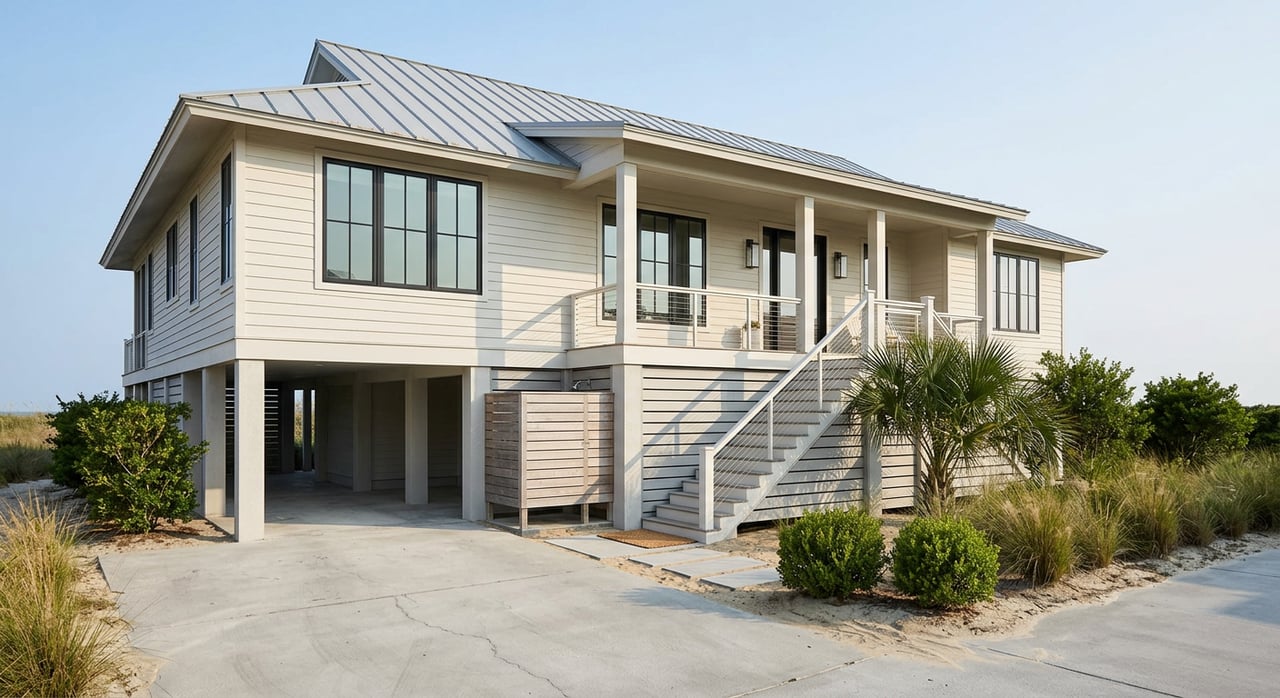
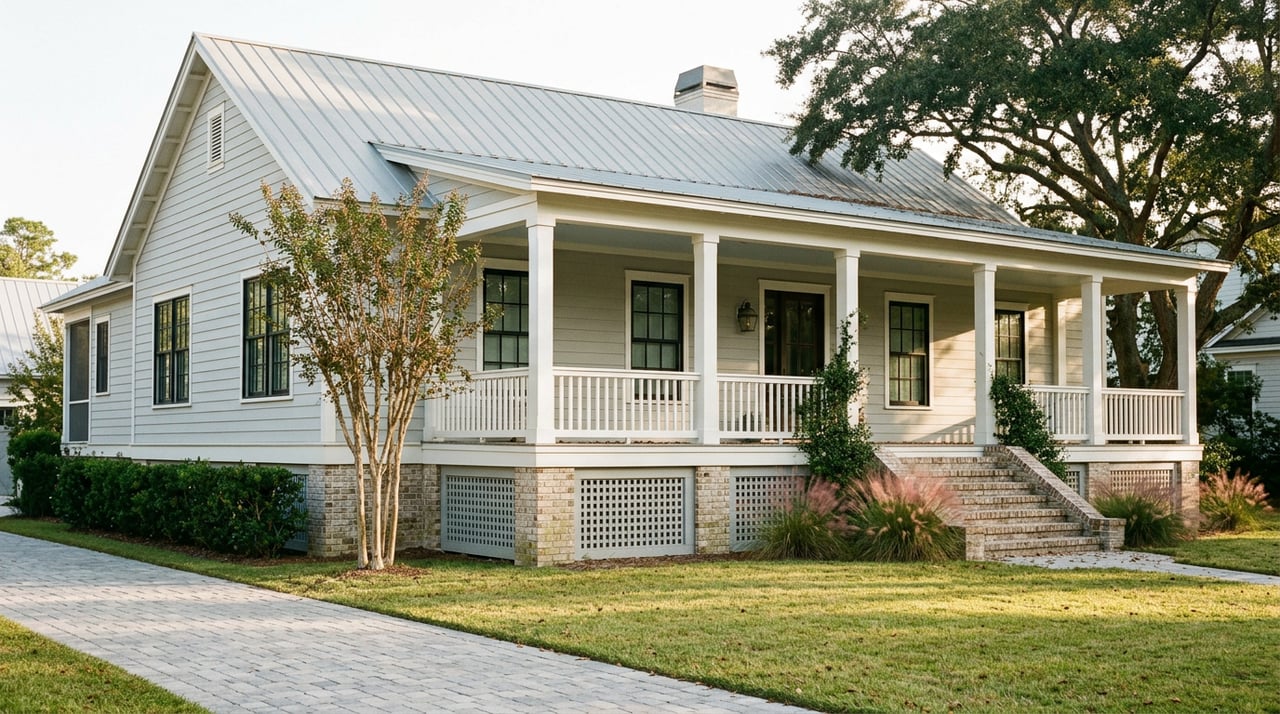
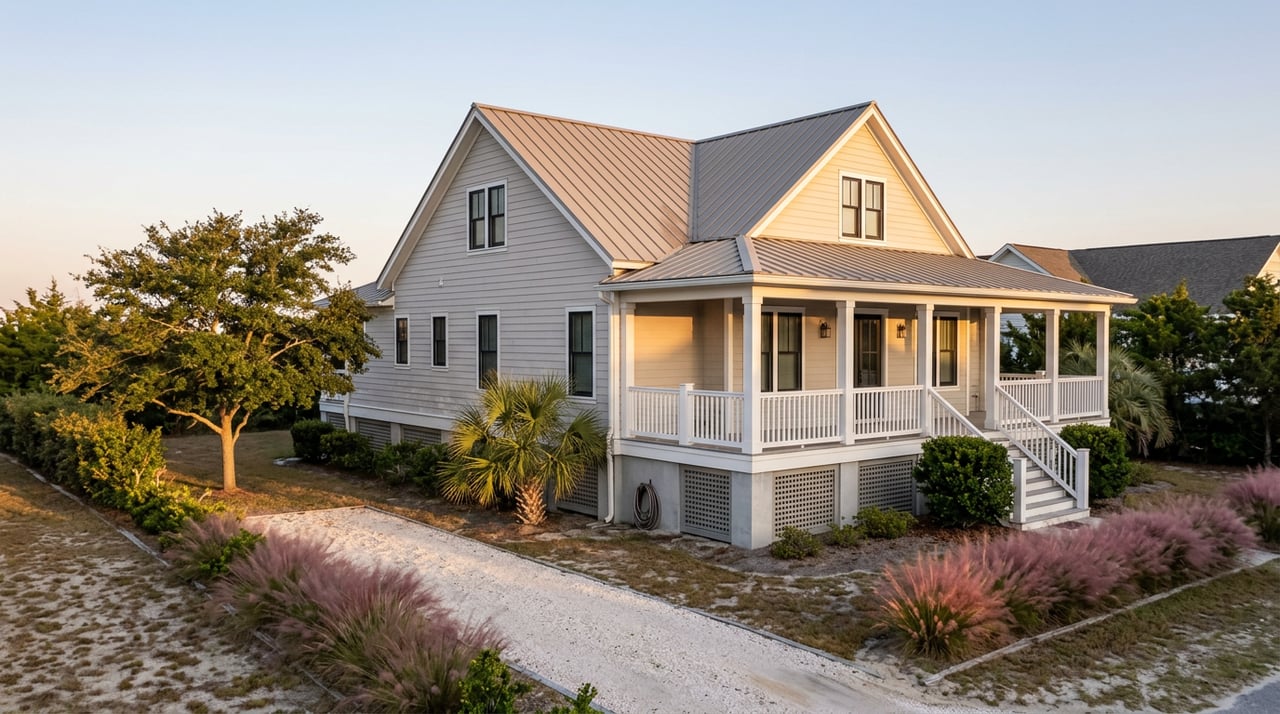
On Topsail Island, you will see a mix of classic beach houses and low-maintenance condos. Most second-home buyers start with these options:
Expect broad ranges. Interior single-family homes commonly trade around the 300,000 to 600,000 bracket depending on age and lot. Oceanfront or fully renovated vacation homes often sell in the 600,000 to 1.5 million plus range, with prime locations pricing higher. Condos can range from the low-to-mid 100s for smaller or older units into the 300s and beyond for larger or ocean-view residences. Always compare like-for-like within the same block, view corridor and age band to set your expectations.
If you plan to rent your home part of the year, seasonality drives results. Peak demand runs from late May through early September, when nightly rates and weekly bookings are strongest. Spring and early fall bring healthy weekend demand, while late fall and winter are quieter.
Model your pro forma month by month rather than with a single blended occupancy number. Hurricane season runs from June 1 to November 30. Build in a conservative downtime assumption and plan for higher reserves to cover named-storm deductibles and post-storm repairs. Income varies by bed count, proximity to the beach, condition and marketing, so use actual statements from the seller, plus booking calendars for close comps, to set realistic revenue expectations.
Topsail Island has multiple jurisdictions. Surf City’s town code defines short-term rentals as lodging under 90 days and also addresses zoning and use. Read the code language and call the planning office with the specific address for clarity on occupancy limits, parking and shoreline protections. You can review the relevant definitions in the Surf City Code of Ordinances.
Occupancy tax is a key line item for rental owners. In many Surf City and Topsail Beach areas, the local occupancy tax rate is 6 percent and is typically remitted to the town or county depending on jurisdiction. Registration, filing and remittance are required if you rent short term. The best first stop is Pender County’s guidance on occupancy tax for rules and contacts.
North Carolina also taxes short-term accommodations at the state level. Large marketplaces may collect and remit some taxes on your behalf, but you are still responsible for registration and records, especially if you take direct bookings. For a plain-English overview, see the state lodging tax summary from Avalara’s MyLodgeTax. Always verify details with the North Carolina Department of Revenue and the local finance office.
Many Topsail communities have HOA or POA covenants that limit or regulate rentals. Before you make an offer, request the full governing documents, recent meeting minutes, a written statement on rental rules and any notice of pending special assessments. HOA documents are often the biggest surprise for buyers, so read them closely.
Coastal ownership comes with specialized insurance needs. Standard homeowners policies in coastal zones often exclude or limit wind and hail. Many island owners buy a separate wind and hail policy or a coastal plan policy. In North Carolina, the NC Joint Underwriting Association and Coastal Property Insurance Pool serve as an insurer of last resort in eligible areas. Your insurance agent can explain wind coverage, named-storm deductibles and pricing. Learn more about the Beach Plan at the NCJUA/NCIUA.
Flood insurance is separate from homeowners coverage. If the home lies in a FEMA Special Flood Hazard Area, lenders usually require an NFIP policy. Premiums vary widely under FEMA’s Risk Rating 2.0, elevation and building details. Pull FEMA flood map panels for the address, and try to obtain an elevation certificate. Start with FEMA’s flood-mapping resources and consult a licensed surveyor if you need updated elevations.
Budget for routine costs beyond your mortgage payment. Expect county property taxes, and if your home lies inside town limits, municipal taxes as well. Pender County’s adopted FY25–26 rate is 0.7375 per 100 of assessed value, though your final bill depends on the specific parcel and any applicable town taxes. Add hazard, wind and flood insurance; HOA dues and assessments if applicable; utilities; and short-term rental operating costs like cleanings, linens, landscaping, pest control and pool service.
If you hire a property manager, full-service fees often fall in the 15 to 35 percent range of rental revenue depending on services. Platforms can also charge listing or processing fees. Ask each manager for a written fee schedule and a sample P&L for a comparable home. For a sense of common compliance services, see this overview of STR operations from Vacasa.
Use this quick checklist to reduce surprises and keep your timeline moving.
Buying on a barrier island is different from buying inland. The right agent helps you read micro-locations, confirm use and tax rules, price insurance correctly and source reliable local vendors. You deserve clear, timely answers and a plan that fits your goals, whether you want a pure retreat, a rental-forward home or a mix of both.
If you are exploring Surf City or Topsail Island, connect with a boutique, hands-on team that knows the coast and handles details with care. To talk through neighborhoods, pricing and next steps, reach out to logan sullivan. Let’s connect.
Stay up to date on the latest real estate trends.


For the best service and results when it comes to all of your real estate needs, reach out anytime.