Waterfront Or Wooded? Comparing Hampstead Lifestyles
May 28, 2026
May 28, 2026
If you’re drawn to Hampstead, you’ve probably already felt the pull of two very different lifestyles. One puts the water at the center of your day, with docks, marsh views, and boating access shaping how you live. The other gives you more trees, more yard, and often a simpler everyday routine tied to space and road access. If you’re trying to decide which fit makes more sense for your budget and your habits, this guide will help you compare the tradeoffs clearly. Let’s dive in.
Hampstead is not just a quiet coastal stop anymore. The U.S. Census Bureau reported a population of 7,016 in 2020, up from 4,083 in 2010, and that growth helps explain why the area feels more active and traffic-sensitive than many people expect.
Your lifestyle here is often shaped by one big question: do you want your home life centered on the water or on space inland? In Hampstead, that choice affects not only your view, but also your budget, your maintenance needs, and the way you move through your week.
Hampstead also runs along a major daily travel corridor. NCDOT is improving the U.S. 17 corridor with the Hampstead Bypass in funded segments, and Pender County traffic data shows U.S. 17 south of NC 210 increased from 33,000 AADT in 2015 to 44,000 in 2023. That means commute patterns and errand routes are a real part of the lifestyle conversation.
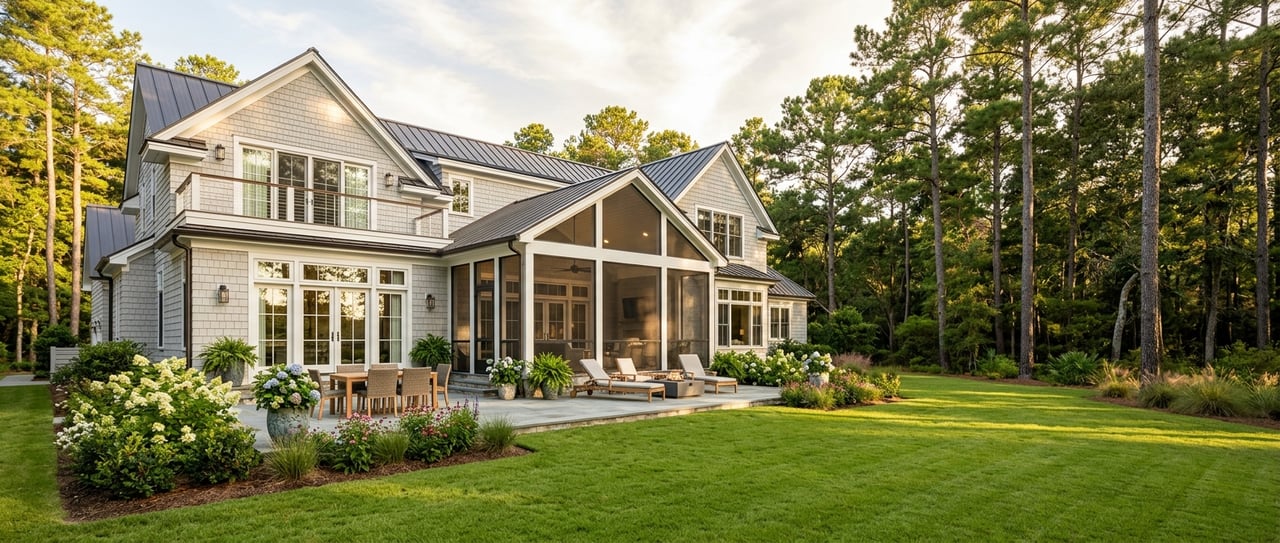
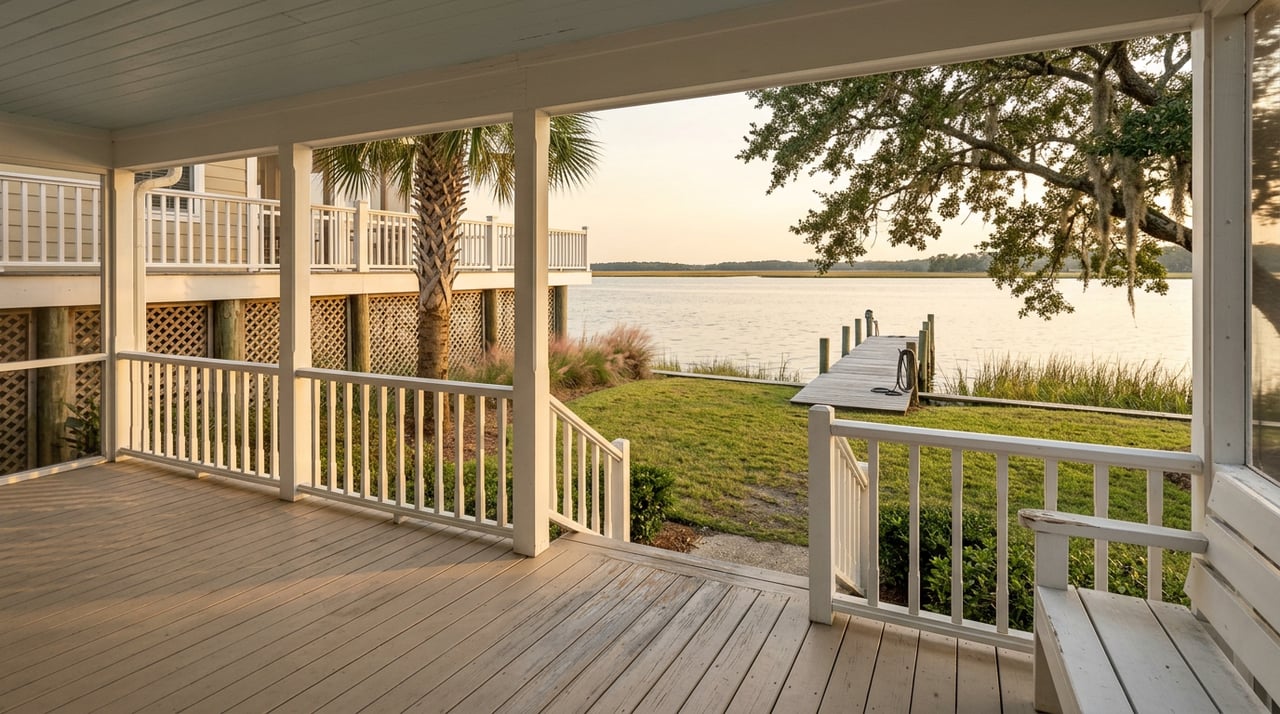
Waterfront living in Hampstead is usually about direct access first. For many buyers, that means boating, fishing, kayaking, dock use, and spending more of your free time outdoors near the marsh, creek, sound, or Intracoastal Waterway.
This is also one of the clearest lifestyle identities in the local market. Current listing examples show deep-water and marsh-front homes with private docks, boat lifts, slips, and elevated outdoor spaces designed to make the most of the setting.
If you choose waterfront, your routine may revolve around launch convenience and water views. You may be thinking less about yard size and more about whether you can keep the boat close, enjoy a sunrise from the porch, or step outside to fish or paddle.
Some waterfront communities add neighborhood amenities on top of that setting. Current inventory in areas like East Wynd and WyndWater shows that some buyers can pair coastal access with a more planned neighborhood feel, green spaces, and newer construction.
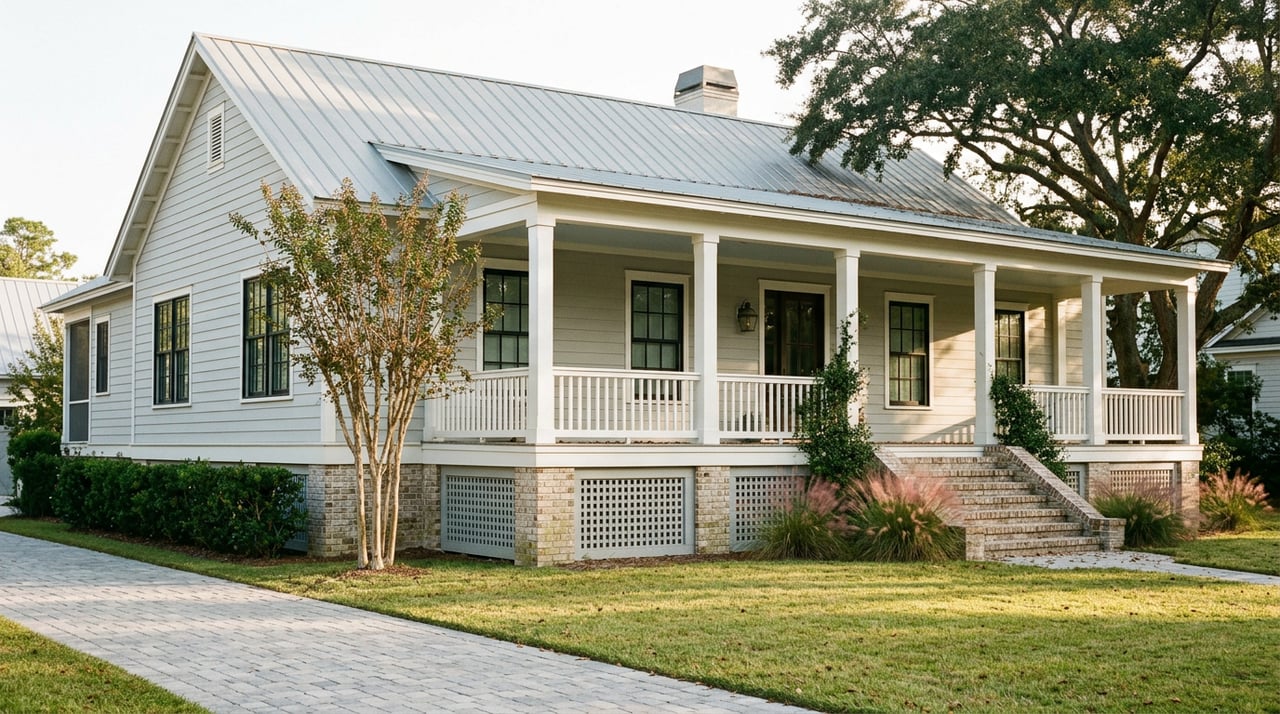
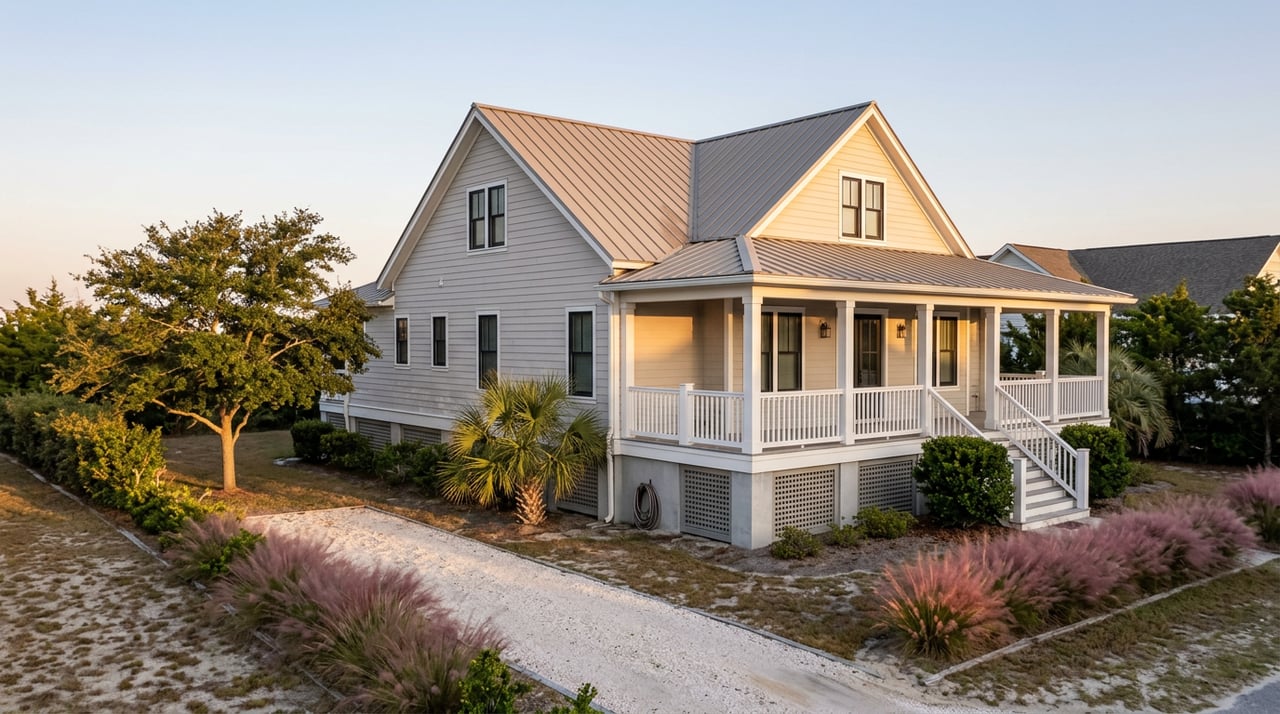
In Hampstead, waterfront homes are often single-family properties on smaller-to-medium lots. Many include broad porches, decks, elevated living areas, and water-specific features like bulkheads, docks, lifts, or wet slips.
Some also include practical features that support coastal ownership. Garages, pools, and basement or storage areas can play an important role when you need room for gear, storm preparation, and outdoor equipment.
It is also worth noting that waterfront does not always mean a huge lot. Current examples range from about 0.28 acres to around 1 acre, with value often driven more by the quality of the water access and frontage than by land size alone.
Waterfront pricing in Hampstead typically sits well above the broader market once you add direct frontage, dock access, or stronger views. Current examples include a waterfront new-build at $696,908, a waterfront townhome estimated around $515,900, and deeper-water or ICW-front homes around $1.34 million, $1.9 million, and $2.54 million.
That premium is one of the most important things to understand before you start touring homes. If your goal is the full boating lifestyle, the budget often needs to stretch not just for the house itself, but for the location and infrastructure attached to it.
Waterfront properties often come with more due diligence than inland homes. In North Carolina’s coastal counties, the Division of Coastal Management administers the Coastal Area Management Act, and permits may be required for coastal development work involving things like docks, piers, bulkheads, and other shoreline improvements.
That means you will want to ask detailed questions early. Important topics can include dock ownership, lift capacity, bulkheads, flood risk, marina access, and whether any future shoreline work may require permits.
If waterfront living is about direct access and views, inland and wooded living is often about breathing room. In Hampstead, many inland buyers are choosing larger lots, more trees, easier yard use, and more straightforward daily routines.
This option can still feel distinctly coastal. Many inland properties sit close to NC 210 or U.S. 17, which can make it easier to reach beaches, shopping, and everyday services without paying the premium that comes with direct water frontage.
For many buyers, inland Hampstead is a practical lifestyle choice. You may be trading the dock for a fenced yard, room for pets, storage for hobbies, or a property that feels more private and easier to maintain in some ways.
There is also a road-access advantage for some households. Because Hampstead’s daily pattern is strongly tied to U.S. 17, inland buyers often prioritize quicker routes for work, errands, and regular travel.
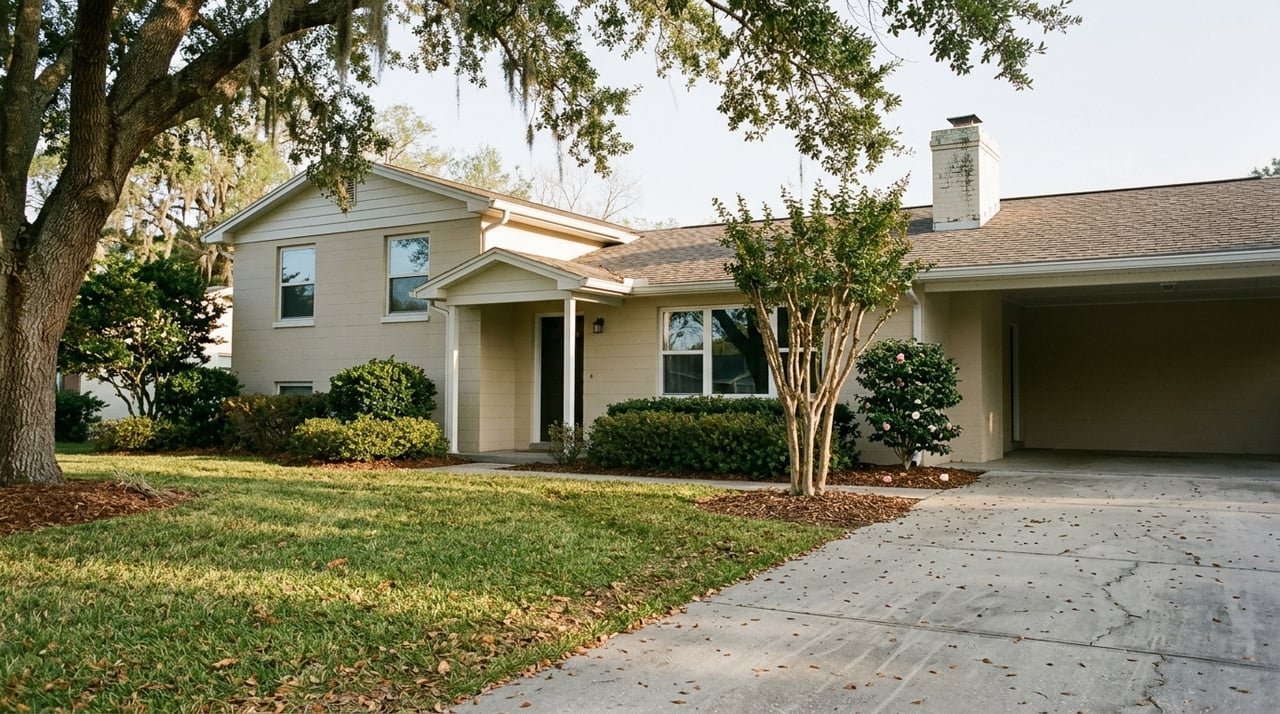
The inland and wooded home profile in Hampstead often includes ranch homes, brick homes, or newer construction on interior lots with mature trees. Current examples point to fenced yards, detached garage potential, workshop space, and room for future outdoor additions like a pool.
You may also see more variation in lot size inland. Current examples include private wooded interior lots as well as homesites reaching 5 acres, which creates very different possibilities for privacy, outdoor storage, and future use.
Inland land and homes can offer a much lower entry point than waterfront options. Current wooded land examples include a 1-acre lot at $30,000, a 1.39-acre tract at $75,000, and a 0.46-acre lot in Olde Point at $160,000.
Finished inland homes can still reach solid price points depending on size, condition, and privacy. Current listings show a brick home on a 1-acre wooded lot in the $384,000 to $425,000 range, while a nearly 1-acre home in Cross Creek is listed at $399,000.
For many buyers, that creates a meaningful middle ground. You may be able to stay closer to the broader Hampstead market while gaining more land and flexibility.
Inland properties usually have a different checklist. Instead of focusing on docks and shoreline structures, you may need to ask about septic or utility setup, drainage, tree clearing, and how much of the parcel is actually usable versus left as wooded buffer.
Those questions matter most when a lot looks spacious on paper. A wooded homesite can offer privacy and character, but you still want to understand how the land functions in daily life and future planning.
If you want a broad market anchor, current third-party snapshots place Hampstead around the high-$400,000s to low-$500,000s depending on the source and method. Zillow reports an average home value of $486,770 and a median sale price of $493,500, while Realtor.com reports a median listing price of $530,000 and a median sold price of $495,000.
Those figures are not identical, but they point in the same direction. In practical terms, inland wooded homes often cluster closer to that overall middle range, while waterfront homes can rise quickly once direct frontage, views, and dock access enter the picture.
Realtor.com also reports median days on market around 40. That does not tell the whole story for every home type, but it does suggest buyers should be ready to act when they find a property that matches both lifestyle and budget.
The best choice often comes down to how you really live, not just what looks appealing in photos. Hampstead offers both scenic waterfront ownership and more grounded wooded living, but each one supports a different rhythm.
If you picture weekends around boating, fishing, and time on the water, waterfront may justify the higher price and added complexity. If you care more about yard space, privacy, easier road access, and a simpler maintenance picture, inland living may feel like the better long-term fit.
A helpful way to decide is to think about your normal week. Ask yourself which matters more: launching a boat, mowing a larger yard, or cutting drive time to work and shopping.
Before you choose between waterfront and wooded property in Hampstead, focus on three priorities:
When you answer those questions honestly, the right direction usually gets much clearer. What looks like a location decision at first is often really a lifestyle decision.
Whether you’re comparing a marsh-front home, a wooded homesite, or a property that sits somewhere in between, having local guidance helps you weigh the tradeoffs with more confidence. If you want a clear, strategic read on Hampstead and the surrounding coastal market, connect with logan sullivan.
Stay up to date on the latest real estate trends.


For the best service and results when it comes to all of your real estate needs, reach out anytime.