Staging Classic South Oleander Homes For Today’s Buyers
March 24, 2026
March 24, 2026
Love your home’s original oak floors, built-ins, and deep porch but not sure how to make them shine for today’s buyers? You are not alone. Classic South Oleander and Forest Hills homes carry real charm, and with the right staging and a few light updates, you can turn that character into measurable market appeal. This guide gives you a preservation-first plan to attract more showings, reduce days on market, and help you net more without a costly remodel. Let’s dive in.
South Oleander and nearby Forest Hills sit in Wilmington’s midtown corridor, where early to mid-20th century homes feature Craftsman touches, cottage and colonial revival forms, porches, built-ins, and original hardwoods. Nearby Brookwood’s National Register nomination highlights the kinds of period details that buyers love to see preserved, like exposed rafter tails, trim profiles, and intact porches. You can see examples of this historic fabric in the Brookwood Historic District documentation.
Many properties also sit on established, tree-lined lots with mature live oaks and magnolias. Those outdoor rooms and canopies are real selling points. Staging should highlight them rather than hide them.
One more local note. Parts of Wilmington include National Register and local historic districts and overlays. If your home sits in a local overlay, certain exterior changes may require a Certificate of Appropriateness. Always verify your address on the City of Wilmington historic districts map before planning exterior work.
Staging works because it helps buyers picture themselves living in the home. In the National Association of REALTORS 2025 Profile of Home Staging, about 29% of agents reported a 1–10% increase in the dollar value offered after staging, and roughly 49% of sellers’ agents saw reduced time on market. You can review the findings in the NAR 2025 Profile of Home Staging.
You have options on cost and scope. Staging can be agent-led, professionally furnished, or virtual. Past industry surveys show the spend ranges widely, from modest styling to full-service staging of vacant homes costing several thousand dollars. If you want efficiency, focus your budget on key areas like the living room, kitchen, and primary bedroom, and layer in your own pieces elsewhere. For a sense of formats, see NAR’s overview on staging priorities and approaches.
Your goal is to protect the character that draws buyers while removing visual objections that slow decisions.
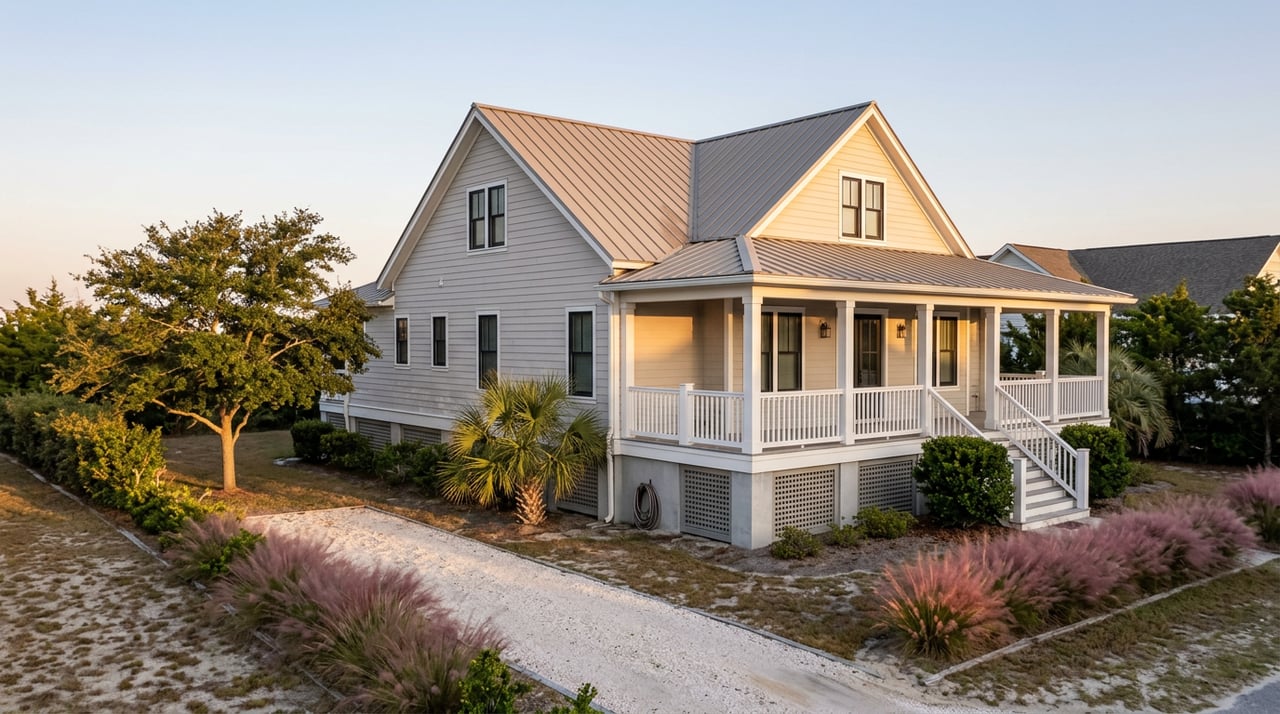
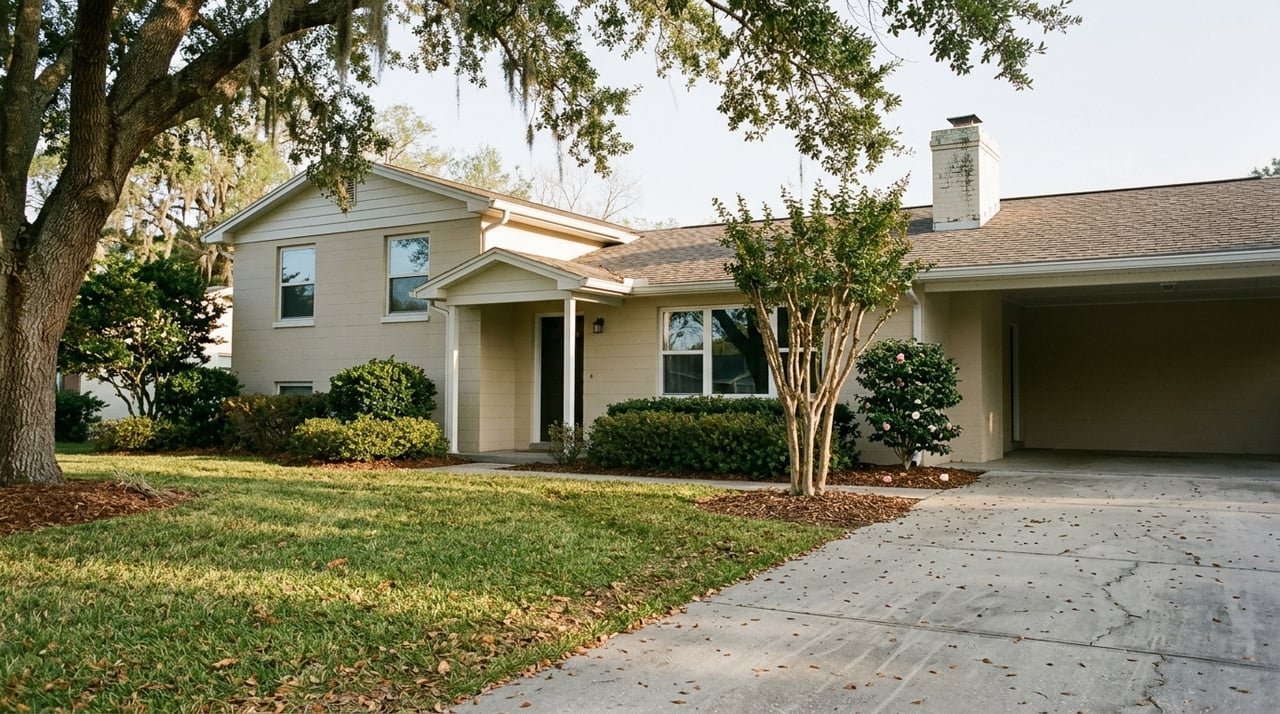
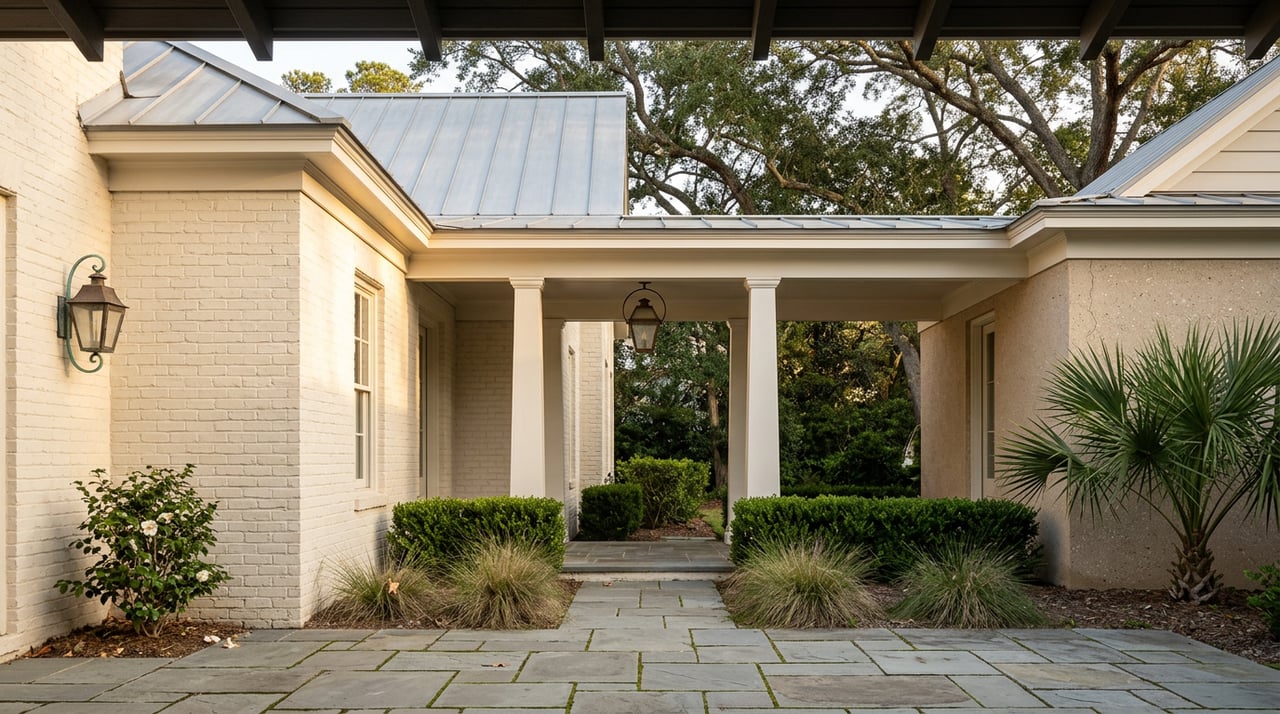
First impressions start at the walk and porch. Clean paths, trim shrubs, and add fresh mulch. If your front door is tired, a careful repaint or a new door when beyond repair can deliver outsized returns. National Cost vs. Value data places visible entry projects among the top recoupers, which you can see in the 2025 Cost vs. Value report.
Light the porch for evening showings and photos. Stage a simple two-chair vignette to read as an outdoor room. For planters and quick curb appeal, pull from native, low-maintenance options promoted by the Coastal Landscapes Initiative, summarized by the local Cooperative Extension’s native plant demonstration site.
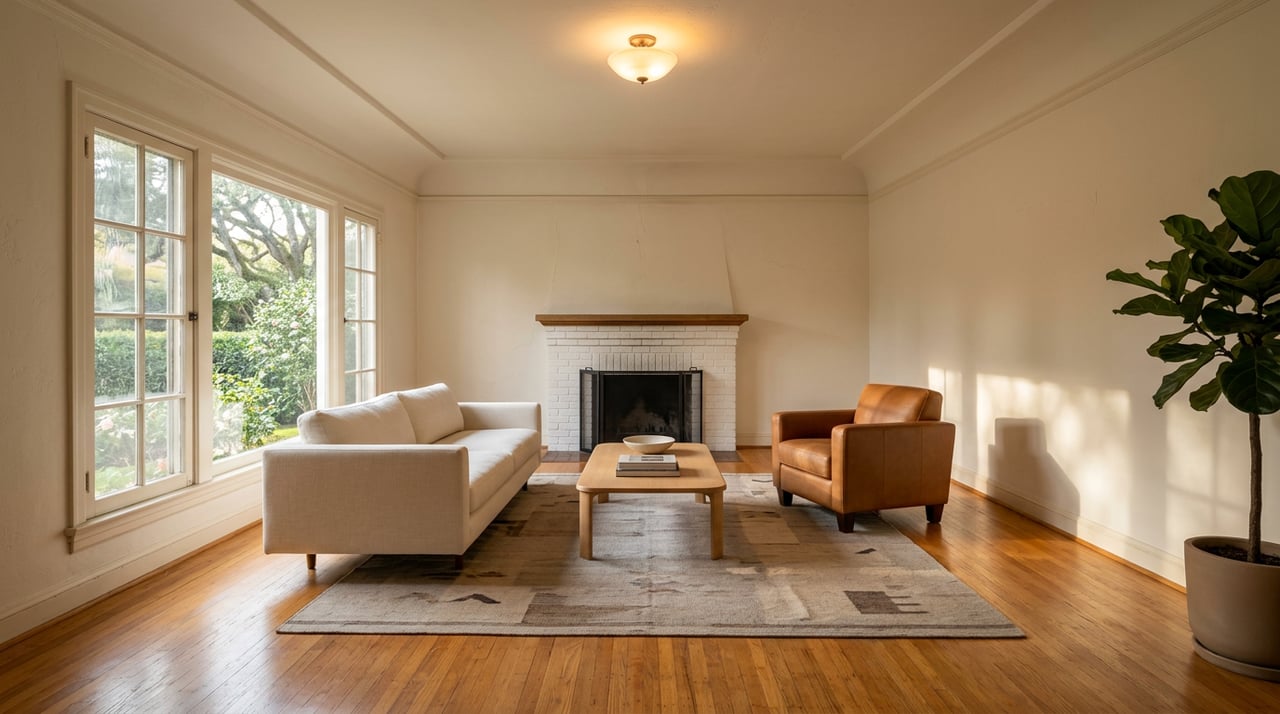
Living rooms are a top staging priority. Start by reducing excess furniture, then float a sofa and chairs to show conversation zones and clear sightlines to built-ins or fireplaces. Define spaces with an appropriately sized rug. For formal rooms that feel cavernous, create two zones, such as conversation plus reading.
Highlight period details with minimal, well-scaled décor and soft lighting instead of oversized furniture. For guidance on what buyers respond to in core rooms, review NAR’s staging resources and use them as a checklist.
If a full remodel is not on your list, focus on surface improvements: refinish or reface cabinets, reglaze or replace dated counters and backsplashes, and update hardware and faucets. Minor kitchen updates tend to recoup more than major gut jobs in many markets, according to the 2025 Cost vs. Value report.
For showings and photos, clear the counters fully, then add one simple accent like a bowl of fruit. Improve lighting, including under-cabinet task lights. These small steps photograph well and keep the space feeling clean, as reinforced in NAR’s staging guidance.
Buyers respond strongly to clean, bright, restful spaces. In the primary bedroom, use layered neutral bedding, updated lamps, and simplified décor. In baths, regrout or recaulk as needed, swap dated faucets and lighting, and use fresh, neutral textiles. NAR’s staging priorities consistently call out these areas for impact.
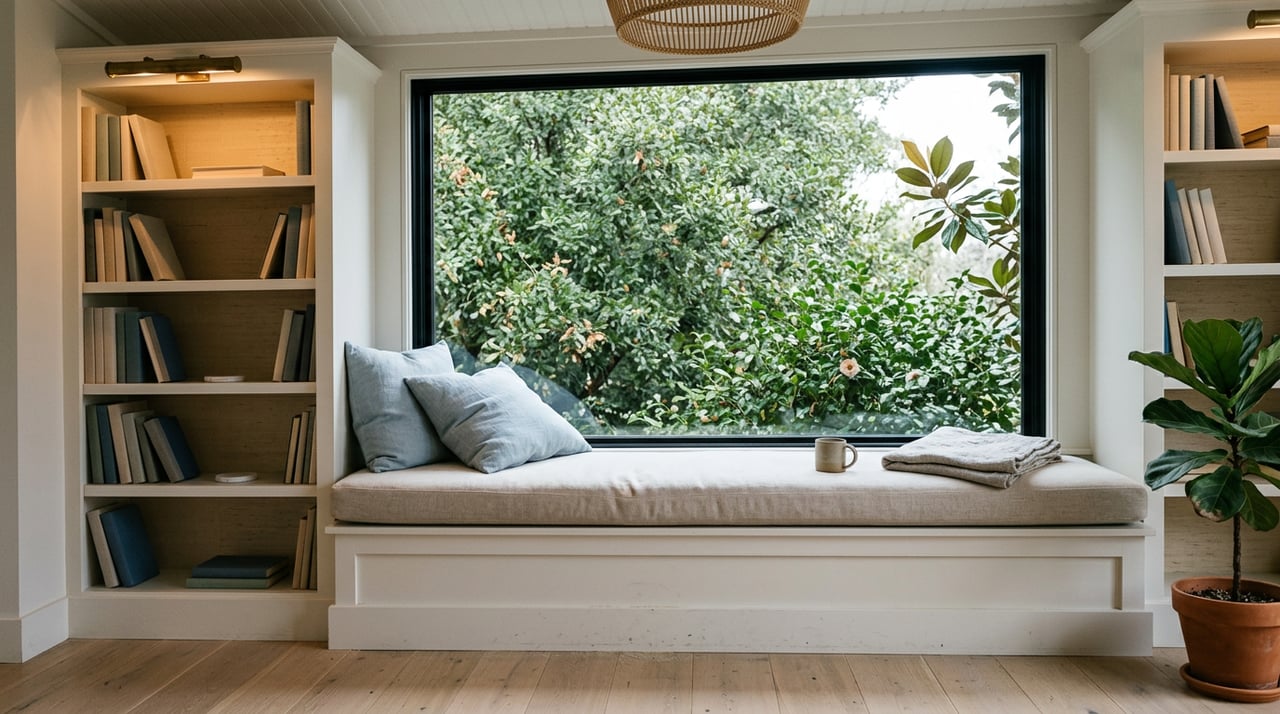
Original hardwoods are a major asset. Refinish them where feasible and avoid covering with carpet. If you have original windows that are repairable, prioritize weatherization and repair over full replacement to keep the home’s proportions and character intact. This repair-first approach aligns with the Design Guidelines for Historic Properties.
Cosmetics attract, but mechanical confidence closes. Service HVAC, fix roof or plumbing leaks, update any visibly unsafe electrical, and replace expired detectors. A clean pre-list inspection summary or service receipts reduce buyer anxiety and contingency risk.
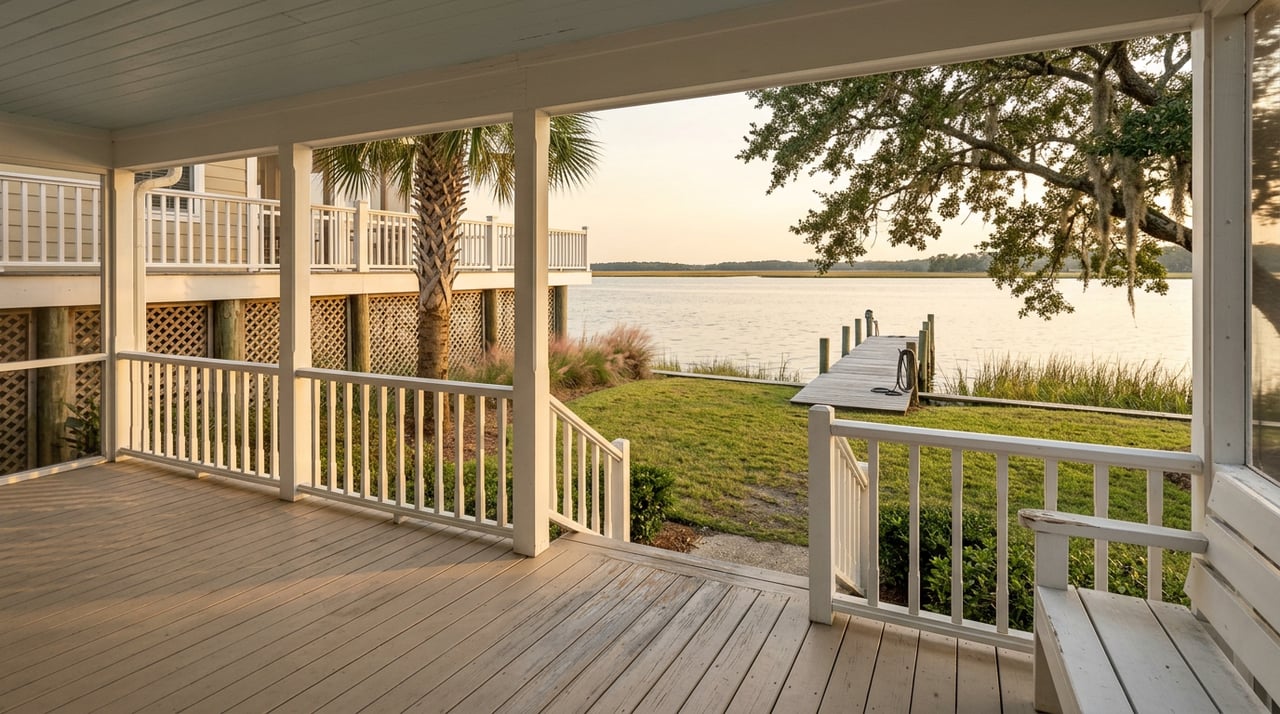
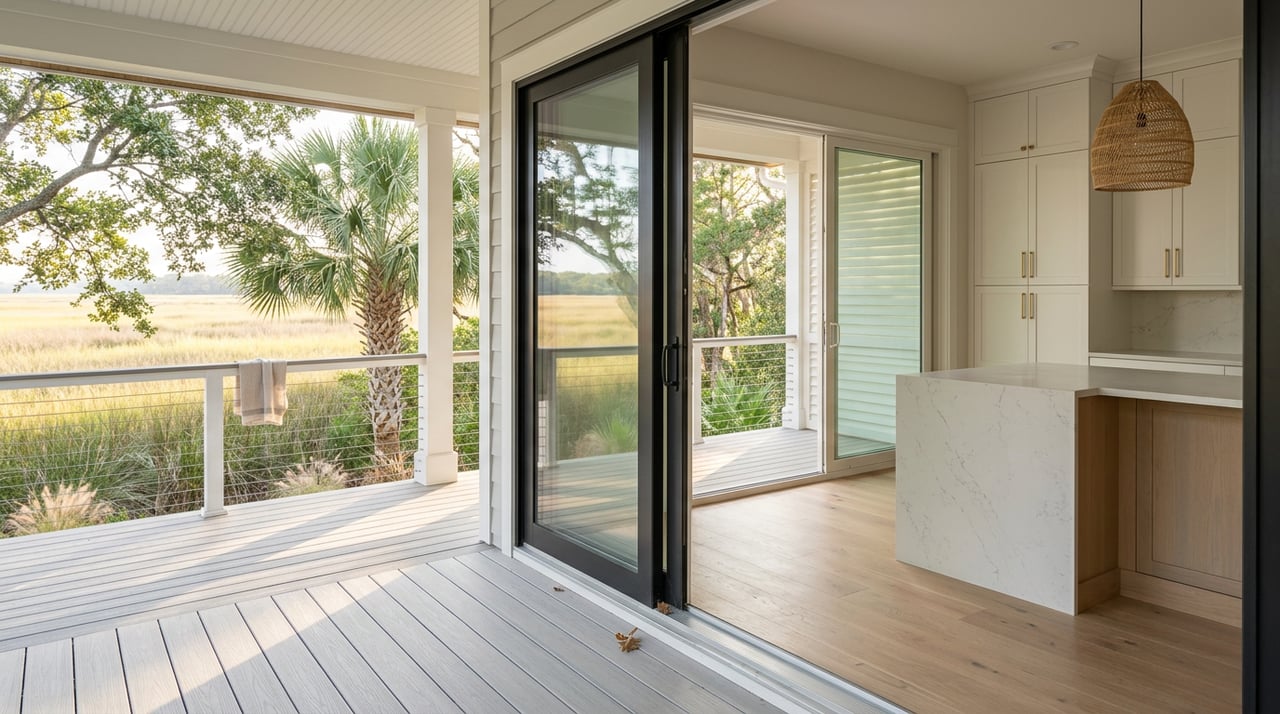
In coastal Wilmington, a porch functions like an extra room. Boutique staging of a front or back porch with seating, outdoor-rated pillows, soft lighting, and planters expands perceived living space at a low cost. NAR’s staging guidance and listing best practices emphasize the power of usable outdoor shots, including twilight photos.
Choose curb appeal projects with strong near-term ROI. Clean gutters, power-wash, repair walkways, refresh railings, and address the front door. National benchmarks often place entry and small exterior improvements among the best-value projects, which you can confirm in the 2025 Cost vs. Value report.
Plan for Wilmington’s humid subtropical climate and the June to November hurricane season. Select weather-hardy textiles and secure loose items before storms. For a quick climate snapshot that can guide your staging calendar, check the Wilmington climate summary.
Professional photography is essential. Lead with a hero porch photo, then show living room flow and built-ins, a clean kitchen, the primary suite, and outdoor living. Add a floor plan if available. You will get more clicks and better buyer engagement when photos are bright, honest, and lifestyle oriented, a point often reinforced in NAR’s staging resources.
When you write your listing, call out preserved features like original floors, mantels, picture rails, and porches. Buyers who want character often search for those terms.
Use this practical checklist to prioritize effort and budget.
You do not need a full renovation to earn top-of-market results in South Oleander or Forest Hills. With a preservation-first plan, smart surface updates, and thoughtful staging, you can showcase what buyers want most: intact character, easy flow, and inviting outdoor living. If you want a hands-on partner to coordinate staging, photography, and a story-driven launch that reaches qualified buyers across Coldwell Banker’s network, connect with Logan Sullivan. Let’s make your home the one people remember.
Stay up to date on the latest real estate trends.


For the best service and results when it comes to all of your real estate needs, reach out anytime.