Your Hampstead Home Selling Checklist Before Listing
April 16, 2026
April 16, 2026
If you know a move is coming, waiting until the week before you list can make the process feel rushed fast. In Hampstead, a smart pre-listing plan gives you time to handle repairs, gather disclosures, and get your home photo-ready for the market. With local pricing in the high-$400,000s to low-$500,000s and median days on market around 42 to 48 days, a 60 to 90 day runway can help you launch with fewer surprises and more confidence. Let’s dive in.
In a coastal market like Hampstead, pre-listing prep is about more than tidying up. You also need to think about drainage, flood-related questions, permit history, and storm-readiness before buyers start asking for details.
That matters because buyers in North Carolina will review disclosures early, and your home’s condition will likely come up again during the due diligence period. When you prepare in advance, you give yourself time to fix what makes sense, document what you know, and present the property clearly.
A strong pre-listing checklist works best in stages. Instead of trying to do everything at once, break the process into three windows: 90 days out, 60 days out, and 30 days out.
This approach is especially useful in Hampstead, where exterior condition, drainage, and coastal weather exposure can affect both presentation and buyer questions. It also gives you time to verify records and avoid last-minute stress.
Start by learning as much as you can about the home’s current condition. A pre-list inspection is not required, but it can be helpful because it gives you a clearer picture of the systems North Carolina sellers are commonly expected to address in disclosures, including the roof, foundation, plumbing, electrical, HVAC, and signs of wood-destroying insects.
If your property has a septic system or private well, pull records early. Pender County Environmental Health handles septic evaluation and permitting, well monitoring and approvals, and soil testing tied to septic suitability, so this is worth checking before your listing timeline gets tight.
If you already have inspection information, review it carefully. According to the North Carolina Real Estate Commission guidance on seller disclosures and inspections, you may not have to provide copies of inspection reports, but you still need to disclose material facts you know.
Use this stage to gather:
Once you know what needs attention, tackle the items most likely to affect value, disclosure accuracy, or buyer confidence. That does not mean you need to fix every cosmetic imperfection. It means focusing first on issues that may appear in an inspection or require explanation later.
If repairs may require permits, check with Pender County Inspections and Permitting before work begins. The county notes that it enforces state codes for building, plumbing, mechanical, and electrical work, and many applications can be completed through PORT.
For Hampstead homes, exterior work deserves extra attention. Pender County floodplain guidance notes that new flood maps were adopted in January 2025, all building in a floodplain requires a Flood Development Permit, and CAMA permits may also be needed in coastal areas.
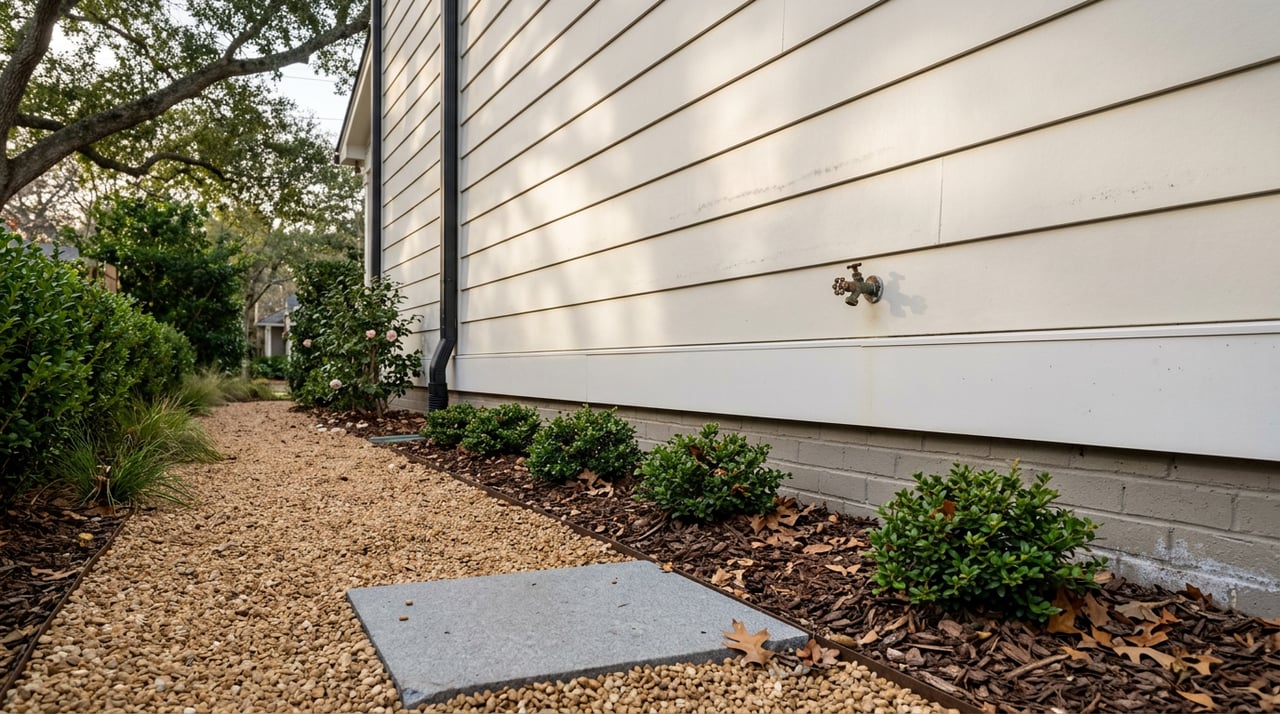
This is also the time to address drainage and storm-readiness. Pender County says private drainage features on your lot are generally the responsibility of the property owner or HOA, and cleaning ditches, culverts, and downspouts can help reduce localized flooding and erosion.
A practical exterior checklist includes:
Those steps support curb appeal, but they also make sense in coastal North Carolina. North Carolina hurricane preparedness guidance notes that hurricane season runs from June 1 through November 30 and that storms can bring flooding, wind, debris, and structural concerns.
The final month before listing is where presentation takes center stage. Deep cleaning, decluttering, and depersonalizing help buyers focus on the home itself instead of your day-to-day life.
That effort matters online first. According to the National Association of Realtors staging snapshot, 83% of buyers’ agents said staging made it easier for buyers to visualize a property as a future home. NAR also reports in its online visibility guidance that 81% of buyers rated listing photos as the most useful feature in their online search.
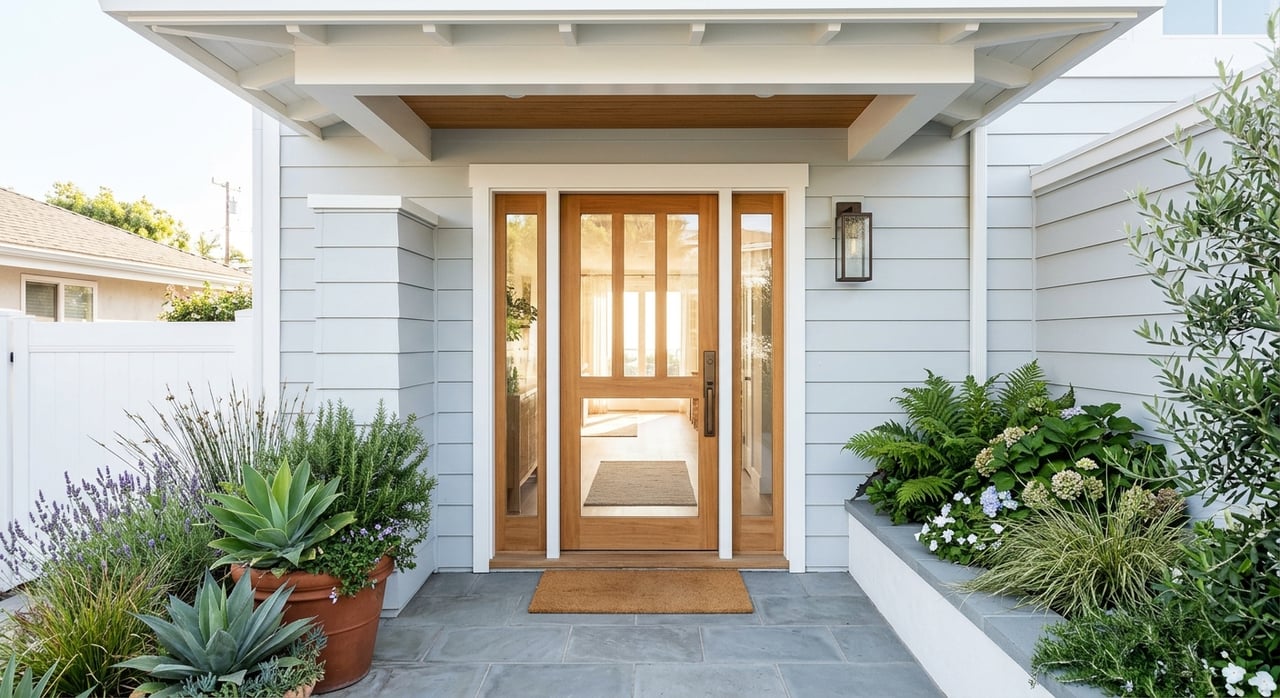
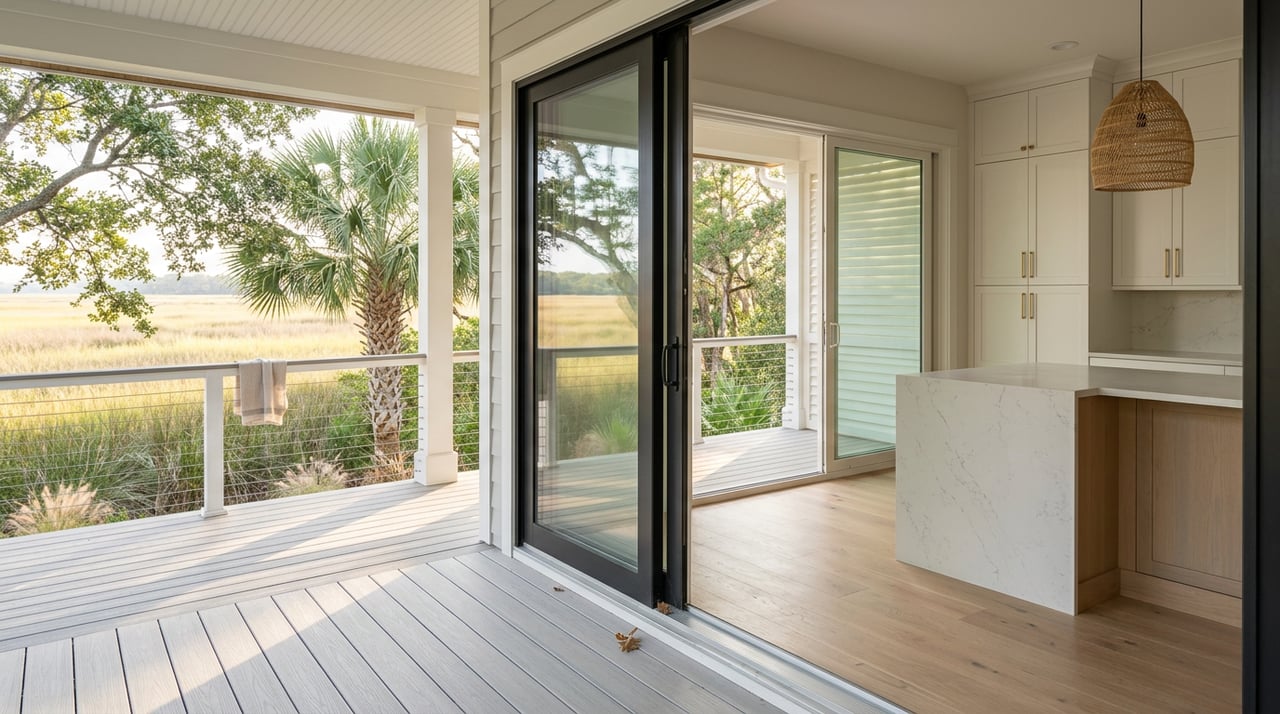
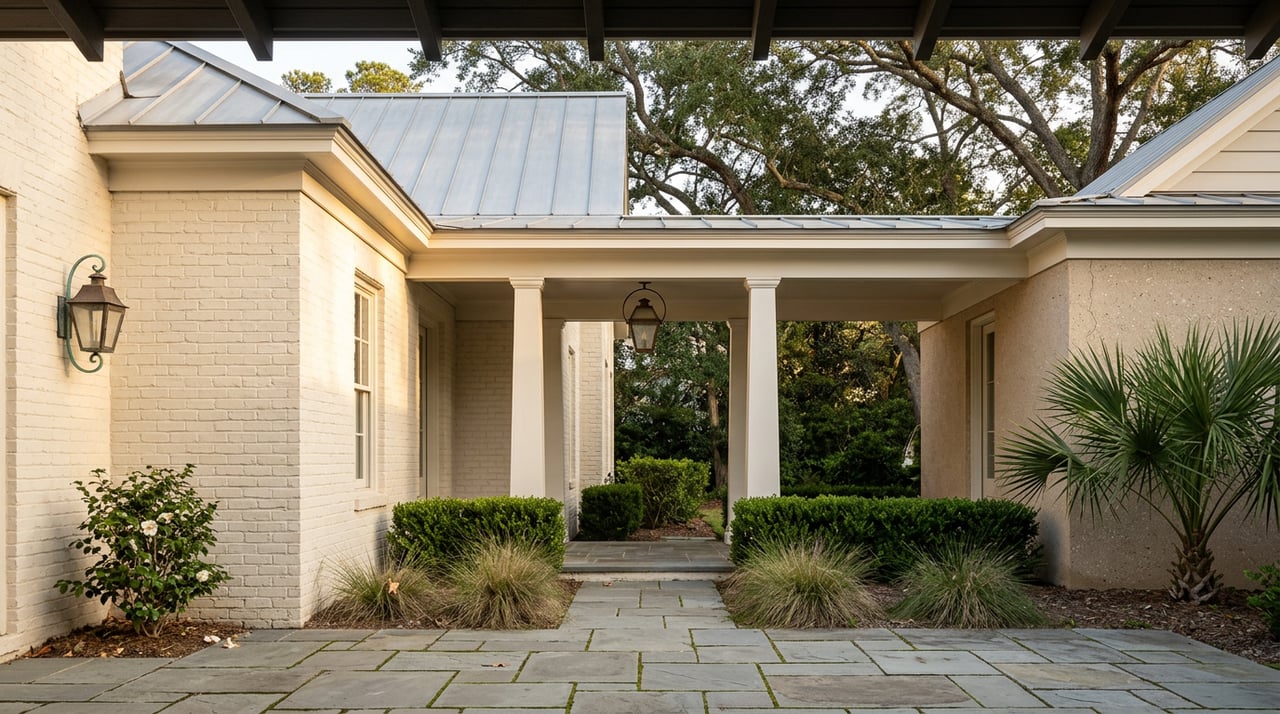
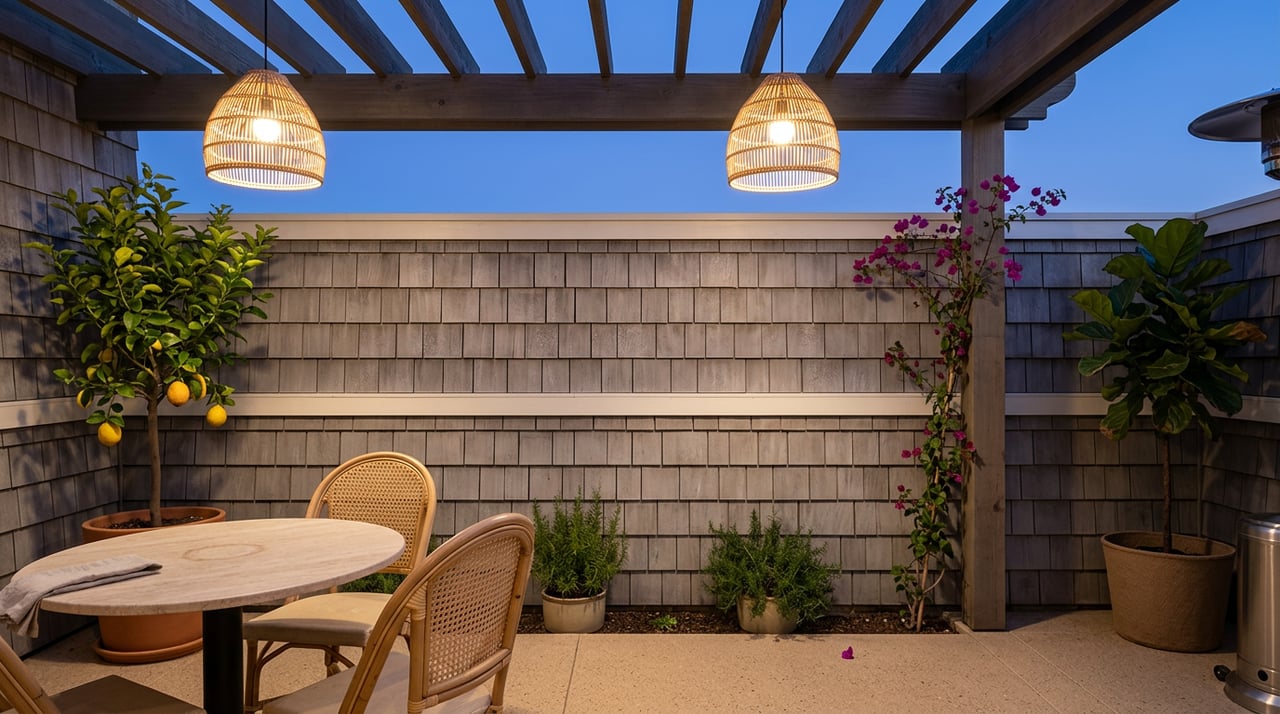
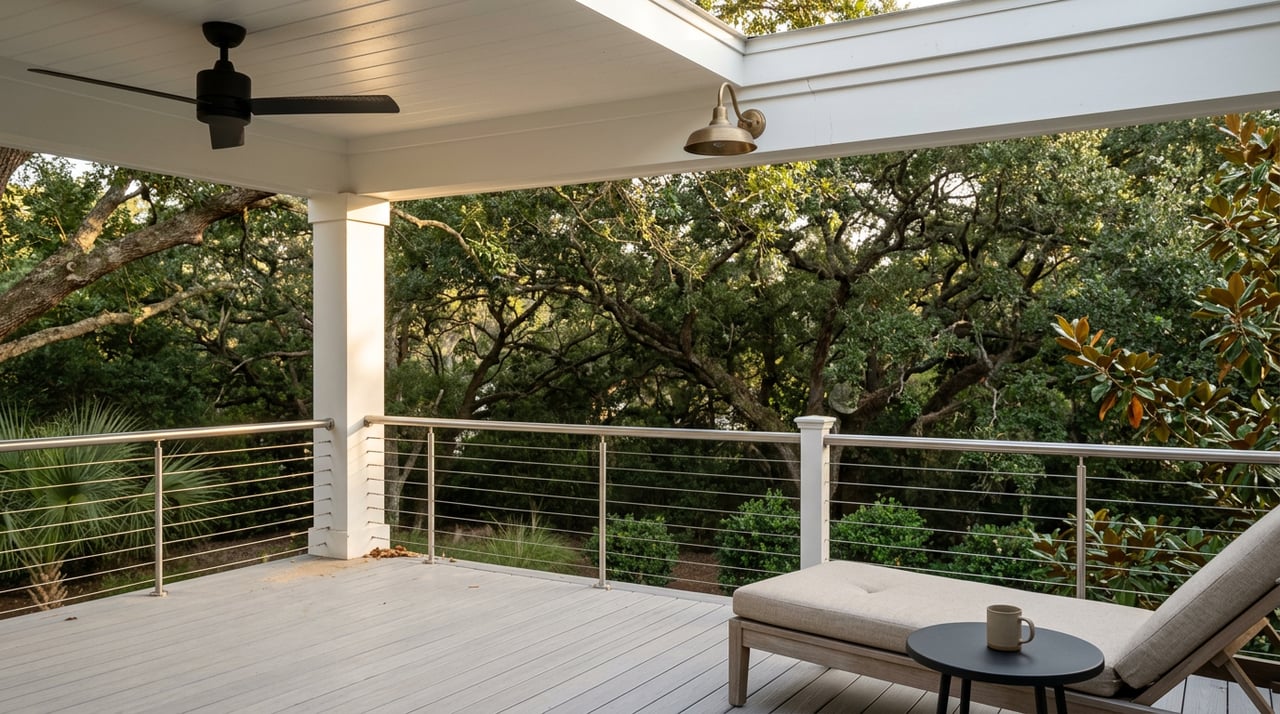
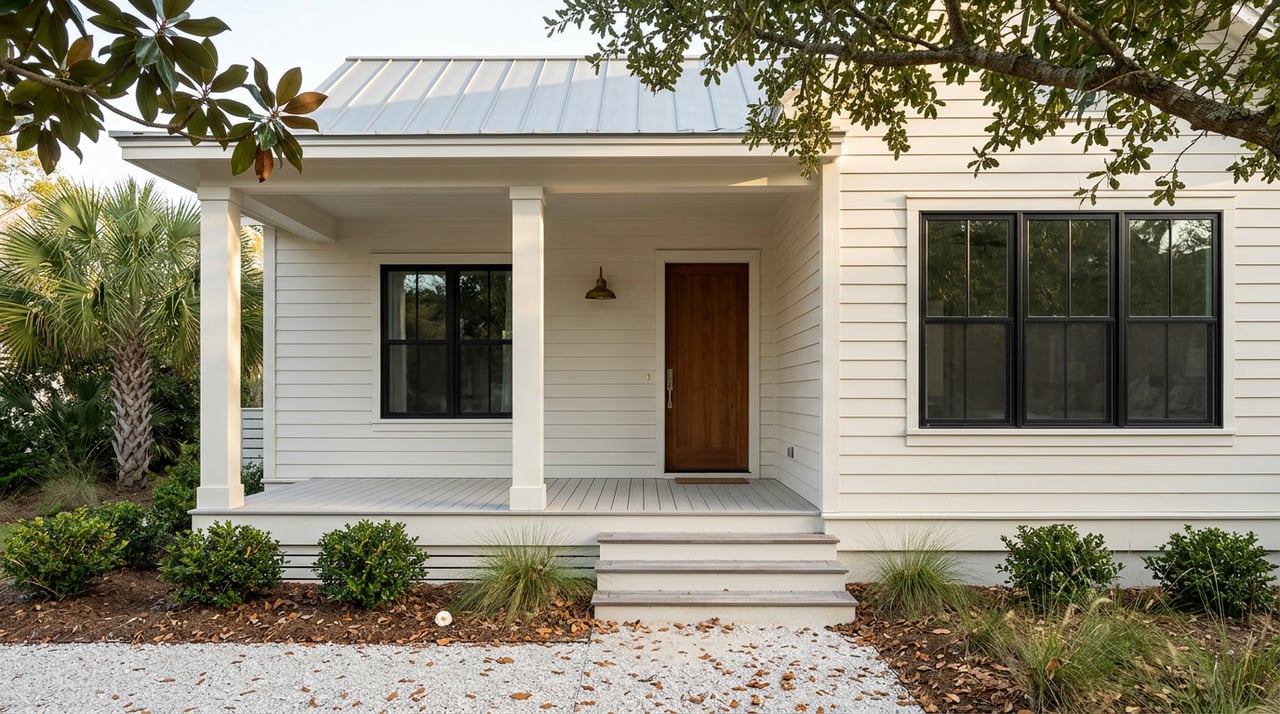
In Hampstead, that means your most visible rooms and outdoor living spaces should be ready for photos. Clean porches, tidy patios, neat landscaping, and clutter-free entries all help a listing feel cared for and move-in ready.
Focus on these areas first:
North Carolina requires sellers of most residential properties to provide the Residential Property Disclosure Statement and the mineral and oil and gas rights disclosure no later than the time a buyer makes an offer. Under Chapter 47E of the North Carolina General Statutes, missing that deadline can give the buyer the right to cancel within the statutory period.
This is a major reason to start paperwork before your home goes live. If you wait until the last minute, you are more likely to miss details or overlook information that should be updated.
The revised disclosure form that took effect July 1, 2024 includes more detailed flooding questions. As explained in the NCREC bulletin on the revised RPOADS, sellers should be prepared to provide accurate information about:
The same NCREC guidance also makes clear that the disclosure form is the owner’s statement, not the broker’s, and it is not a warranty or a substitute for a buyer inspection. If you learn new information after filling it out, you should update it promptly.
If your home was built before 1978, federal lead-based paint rules may apply too. The EPA lead-based paint disclosure page explains that sellers of most pre-1978 housing must provide known lead-paint information and the EPA pamphlet before the contract is signed.
In this market, buyers often look beyond paint color and staging. They may also pay close attention to how a home handles coastal conditions, especially if the property is near mapped flood zones or has visible drainage features.
Pender County explains that a Special Flood Hazard Area is the 1% annual chance flood zone and that structures in an SFHA have a 26% chance of flooding over a standard 30-year mortgage term. That does not mean every home in or near one of these areas has a problem. It does mean buyers may ask focused questions, and it helps when you have accurate, organized answers.
If your property has had grading work, exterior improvements, drainage updates, or repairs related to water management, gather those records before listing. Clear documentation can make conversations smoother once buyers begin reviewing the property.
One of the most common seller questions is whether you need to fix everything before listing. The short answer is no.
According to NCREC guidance on due diligence and repair requests, buyers may request repairs during due diligence, but sellers are generally not obligated to agree unless repairs were already negotiated. That gives you flexibility.
A practical way to think about it is this:
You also cannot skip disclosure by marketing the home as-is. Under North Carolina law, as-is terms affect negotiations, not your duty to disclose known material facts.
If you want a quick version, here is a practical checklist for Hampstead sellers.
The best listings rarely feel rushed. They feel thoughtful, well-prepared, and easy for buyers to understand.
In Hampstead, that means combining presentation with practical readiness. When your home looks clean, your paperwork is organized, and your disclosures are complete, you put yourself in a stronger position from day one.
If you are planning a move in Hampstead and want a hands-on strategy for timing, prep, and presentation, logan sullivan can help you build a listing plan that fits your home and your goals.
Stay up to date on the latest real estate trends.

For the best service and results when it comes to all of your real estate needs, reach out anytime.